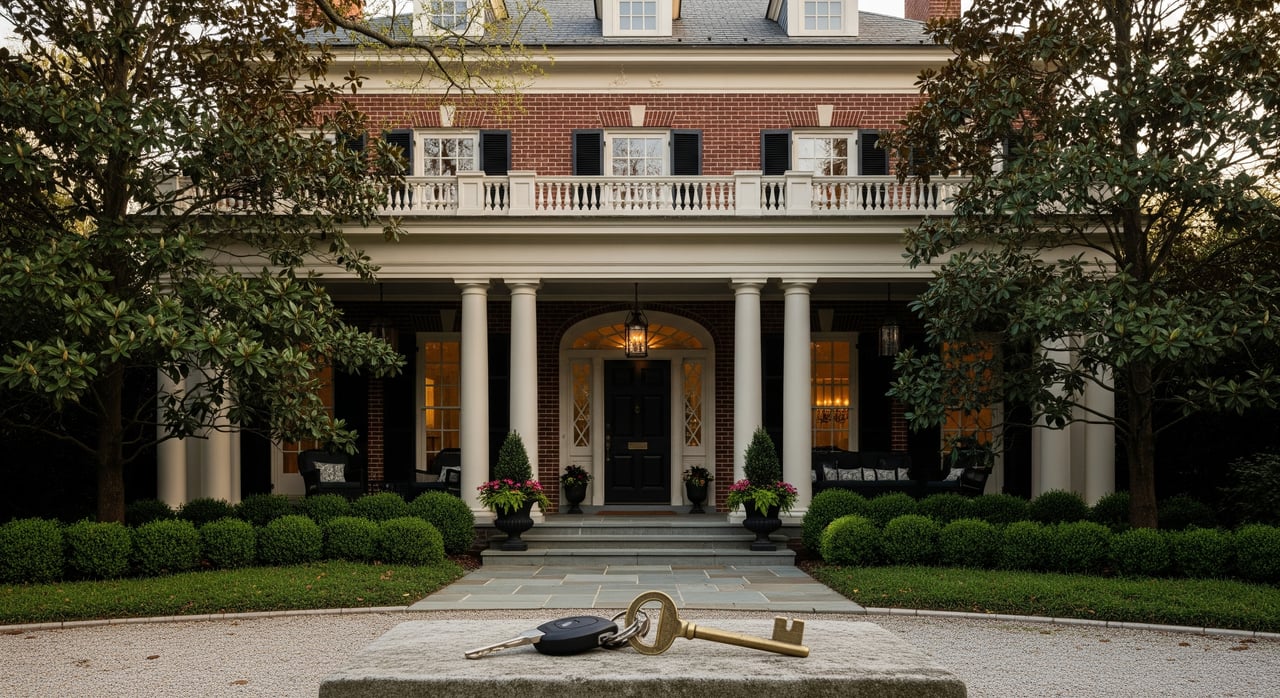
Appraisal Gap in Durham NC: A Practical Buyer’s Guide
December 18, 2025
December 18, 2025
You found the right home at the right price, but the appraisal came in low. Now what? If you are buying in Durham, you are not alone. Fast offers and shifting comps can create gaps between contract prices and appraised values. In this guide, you will learn what an appraisal gap is, why it happens here, and your best options to keep your purchase on track. Let’s dive in.
An appraisal gap happens when the lender’s appraisal is lower than your agreed purchase price. Your loan is based on the appraised value, not the price in your contract, which creates a shortfall you must solve.
If the appraisal is low, you typically must do one of three things: bring extra cash, renegotiate the price, or change your financing or contract terms. The exact path depends on your loan program and your contract language, including any appraisal contingency.
Spanish-friendly terms to know:
When multiple offers and escalation clauses push prices up quickly, comparable sales may lag behind. Appraisals rely on recent, closed sales, so rapid appreciation can make appraised value trail the contract price.
Durham has older neighborhoods, infill homes, and renovations that do not always have perfect comps nearby. New construction or unique layouts can be hard to match, which can lead to conservative adjustments and lower values.
Some supportive sales may not be recorded or visible in time for the appraiser’s report. Private sales also may not appear in the data an appraiser can use. In a fast season, that timing gap can matter.
Busy periods can stretch appraiser availability, and lenders often require conservative methods to protect loan performance. Appraisers may lean on tighter geographic areas or older comps if better data is not yet available.
FHA, VA, and USDA loans have program-specific appraisal standards and property requirements. These can result in adjustments that differ from a conventional appraisal for the same home.
Most appraisals in Durham take 1 to 3 weeks after ordering. If your agent finds new, relevant comps that recently closed, your lender may request a reconsideration of value, called an ROV.
Appraisers focus on recent, nearby sales of similar size, age, and condition. They also consider property condition, quality of finishes, layout, lot size, and neighborhood context, including proximity to employment centers like Research Triangle Park and transportation options.
Cash deals can avoid a lender-ordered appraisal. Some cash buyers still choose an independent appraisal or broker price opinion for peace of mind.
Ask the seller to lower the price to the appraised value or meet in the middle. This is common when days on market are higher or when sellers want a smooth closing.
You can pay the difference between the appraised value and contract price with additional cash. Confirm with your lender that your down payment and loan-to-value still meet program guidelines before you commit.
You and the seller agree to share the difference. For example, the seller offers a credit and you increase your cash contribution. This keeps the contract intact when neither side can cover the full gap alone.
If you believe the appraisal missed relevant comps or made errors, your agent and lender can submit an organized ROV package. Include closed sales from nearby micro-markets, photos, and documentation for renovations. Strong local comps are often the key.
A second appraisal is sometimes possible but requires lender approval and may add cost and time. Ask your lender early whether a second opinion is allowed for your loan type.
Switching loan programs or lenders can change appraisal requirements or loan-to-value limits, but it may reset timelines. Coordinate closely with your lender and agent so you do not miss contract deadlines.
If your contract includes an appraisal contingency, you may be able to renegotiate or cancel without penalty. Some buyers use an appraisal gap addendum that predefines how much extra cash they will contribute above the appraised value. Make sure your lender is aligned with any gap language.
Sellers can help preserve value by providing a clear improvements list, permits, receipts, and a realistic pricing strategy based on very local comps. In rare cases, parties discuss an escrow holdback, which requires lender approval and careful terms.
Keep your agent, lender, and appraiser aligned within proper guidelines. Provide comps and documentation quickly. Use local MLS and county records as primary evidence of value.
If Spanish is more comfortable for you or your family, ask for bilingual support and translated key documents, including any appraisal contingency language. Share the short glossary below with your household so everyone understands the plan.
Ready to talk through your options and protect your purchase in Durham? Our bilingual team can help you weigh the tradeoffs, coordinate with your lender, and negotiate the best path forward. Connect with The Cedeno Group Real Estate to get a local plan tailored to your goals.
Stay up to date on the latest real estate trends.
At The Cedeno Group, our agents are all fully bilingual in English and Spanish, ensuring seamless communication for our diverse clientele. With extensive experience in the real estate market, we go beyond traditional approaches, offering out-of-the-box opportunities to help clients achieve their real estate goals. Whether buying, selling, or investing, our team is dedicated to making the process smooth, successful, and tailored to each client's unique needs.
Get In Touch With Our Team To Learn More

The Cedeno Group Real Estate
5826 Fayetteville Rd, Suite 206 Durham, NC 27713