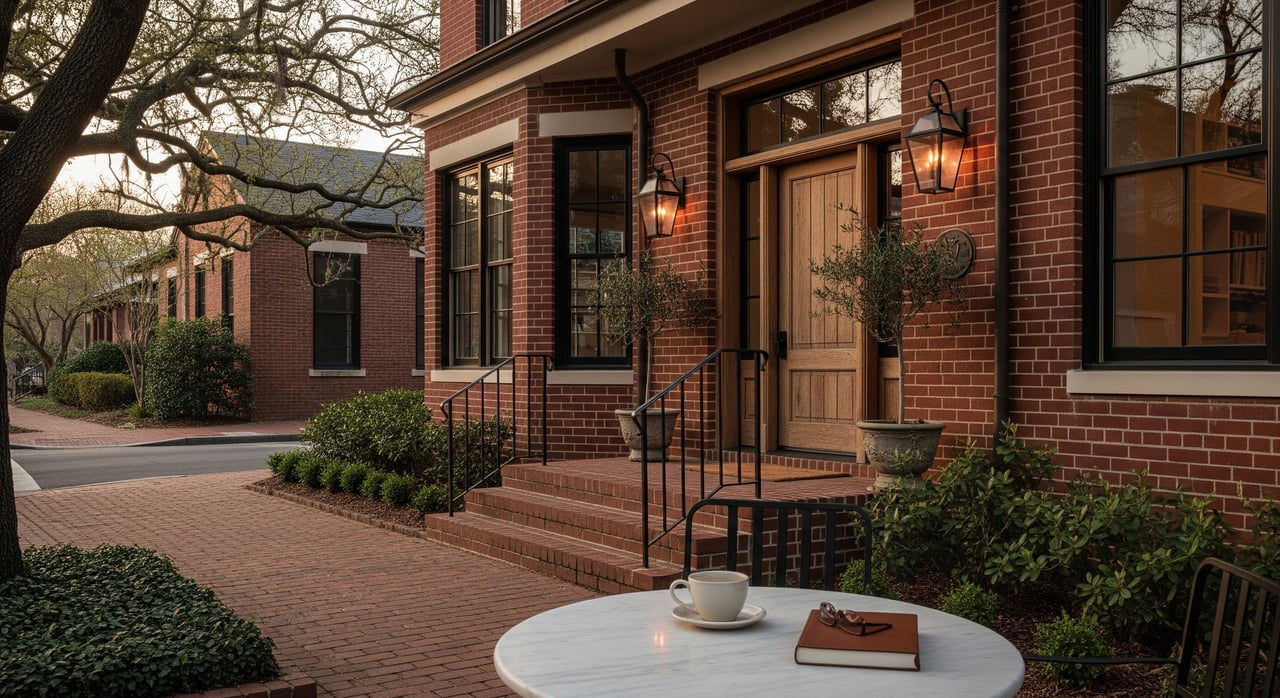
What It’s Like Living in Durham NC as a Newcomer
February 5, 2026
February 5, 2026
Thinking about moving to Durham and wondering what daily life really feels like? You’re not alone. Many newcomers arrive for work, school, or a fresh start and want a clear picture before they unpack. In this guide, you’ll learn how Durham’s neighborhoods differ, what your commute might look like, where people spend their weekends, and how to navigate housing options as a first-time buyer, repeat mover, or investor. Let’s dive in.
Durham sits at the heart of the Triangle with a diverse, growing population and a reputation for opportunity. You’ll find a strong base in higher education, healthcare, and research with Duke University and Duke Health nearby and easy access to Research Triangle Park. The local economy brings new development downtown and in suburban nodes, so you have real choices in where and how you live.
The climate is humid subtropical, which means hot, humid summers and mild winters. Spring and fall are prime time for outdoor fun, while late summer can bring tropical remnants that show up as heavy rain and wind. Most days, you can count on plenty of greenways, parks, and nearby nature to enjoy.
Durham’s neighborhoods offer distinct vibes. The right fit depends on your day-to-day needs, commute, and lifestyle goals.
If you want walkable living close to restaurants, coffee shops, and events, start here. You’ll see historic-mill buildings, loft-style apartments, and new mixed-use construction. Living downtown puts you near venues, the ballpark, and work hubs. You trade extra square footage for convenience and energy.
Tree-lined streets, historic homes, and small local retail make this area attractive if you value character and proximity to campus and cultural institutions. Housing ranges from classic single-family homes to rentals that serve students and faculty. You’ll find calmer residential blocks with nearby cafes and services.
Parts of East Durham have industrial roots and a longstanding Hispanic/Latino presence. Some blocks show active redevelopment, while others retain a quieter, residential feel. Housing is a mix of older single-family homes and new builds. It’s important to explore street by street to understand the changes and options.
South Durham leans suburban with planned communities, shopping clusters, and newer construction. If you want larger yards, townhomes, and convenient access to big-box retail, this area is worth a look. Many residents commute to RTP or other Triangle job centers from here.
Neighborhoods like Forest Hills, Lakewood, and Walltown offer their own mix of historic charm, neighborhood retail, and residential pockets. RTP-adjacent communities cater to commuters who want a simpler drive to employment centers.
You can live car-light in certain areas, but most residents drive.
Driving is the most common commute. Expect peak congestion during morning and evening rush hours on I-40, I-85, NC-147, and 15-501. Many people commute to RTP, Raleigh, or around Durham between suburban areas and downtown. Remote work remains common in some industries, which can help you be flexible on location.
Local and regional buses connect neighborhoods to downtown, RTP, Raleigh, and Chapel Hill. Amtrak serves the downtown station for regional and long-distance routes. RDU Airport is typically a 20 to 40 minute drive, depending on where you live and traffic conditions. Downtown and campus-adjacent areas tend to be the most walkable, and the biking network is expanding.
If you’ll be commuting to RTP or crossing the Triangle, map your route during rush hour before you sign a lease or make an offer. Try alternate paths and note how access to NC-147 or I-40 affects timing. Even if you love a home, a daily 20 extra minutes each way can change how the move feels.
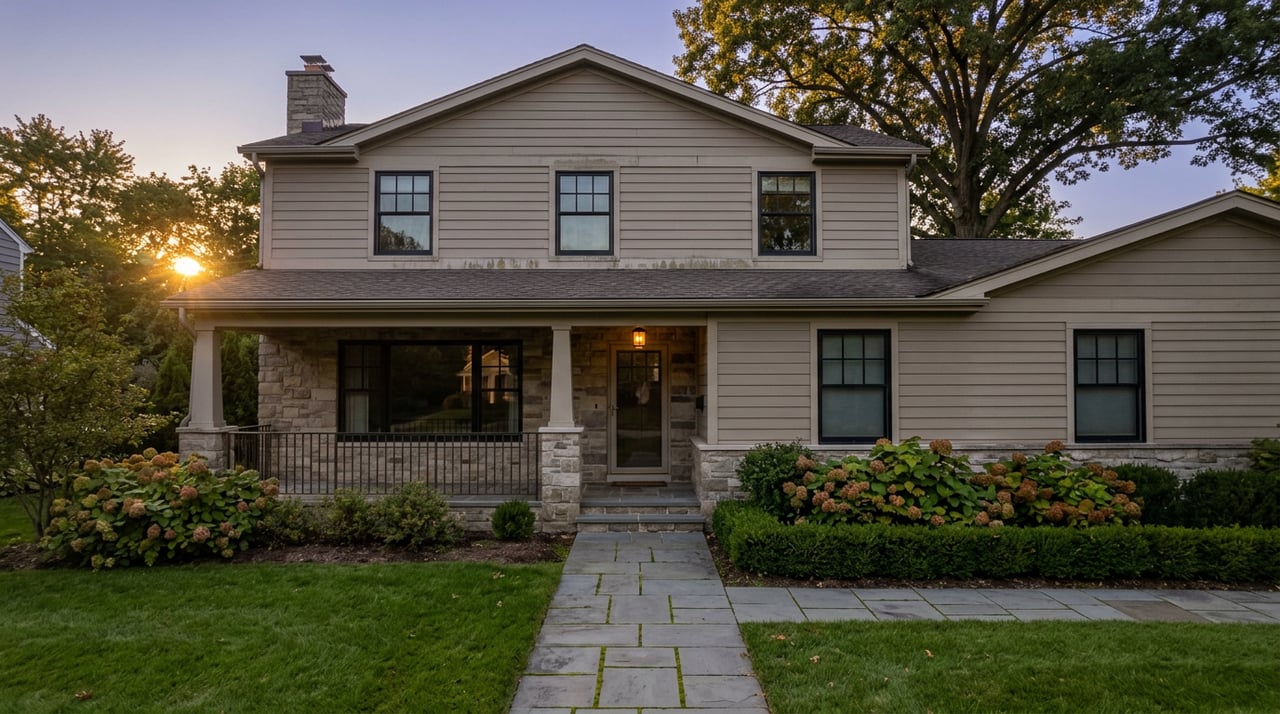
Durham’s housing stock ranges from historic homes to new construction, with a healthy mix of apartments, townhomes, and single-family options.
Near downtown and Duke, you’ll see historic architecture, loft conversions, and infill townhomes. In South Durham, planned communities and newer single-family homes are common. Across the city, you can choose between character-rich older homes and lower-maintenance new builds.
Renting can help you learn the city before you commit, especially if your job location may shift. Buying can give you stability and a chance to build equity over time. Urban areas trade space for walkability and access, while suburban neighborhoods often provide more square footage and yard for the price.
If traditional financing feels out of reach, explore alternatives. Some buyers use creative structures like owner-financing to step into homeownership while they work on credit or documentation. With the right guidance, you can align your financing plan with your long-term goals and find a place that fits today and tomorrow.
Investors target Durham for buy-and-hold and occasional flip opportunities thanks to regional job stability and university-and-healthcare demand. If you’re considering house hacking, accessory dwelling units, or short-term rental options, learn local rules and HOA policies early. A solid renovation and management plan is key to steady returns.
Durham’s daily rhythm blends good food, arts, and easy access to nature.
Durham Public Schools serves the city, and you’ll also find magnet, charter, and private options. School boundaries and enrollment policies can be complex, so it’s smart to research early based on your needs. For healthcare, Duke University Hospital and related facilities provide a wide range of services, and urgent care centers are spread across the area.
Moving is easier when you have a local partner who knows the blocks, the commute patterns, and the financing playbook. As a bilingual, community-rooted team, we help you compare neighborhoods, plan your move, and choose the best path to ownership. Whether you’re buying your first home, moving up, or exploring an investment, we bring hands-on support from search to closing and beyond.
Ready to feel at home in Durham? Connect with The Cedeno Group Real Estate for neighborhood guidance, buyer education, and creative solutions that fit your goals.
Stay up to date on the latest real estate trends.
At The Cedeno Group, our agents are all fully bilingual in English and Spanish, ensuring seamless communication for our diverse clientele. With extensive experience in the real estate market, we go beyond traditional approaches, offering out-of-the-box opportunities to help clients achieve their real estate goals. Whether buying, selling, or investing, our team is dedicated to making the process smooth, successful, and tailored to each client's unique needs.
Get In Touch With Our Team To Learn More

The Cedeno Group Real Estate
5826 Fayetteville Rd, Suite 206 Durham, NC 27713