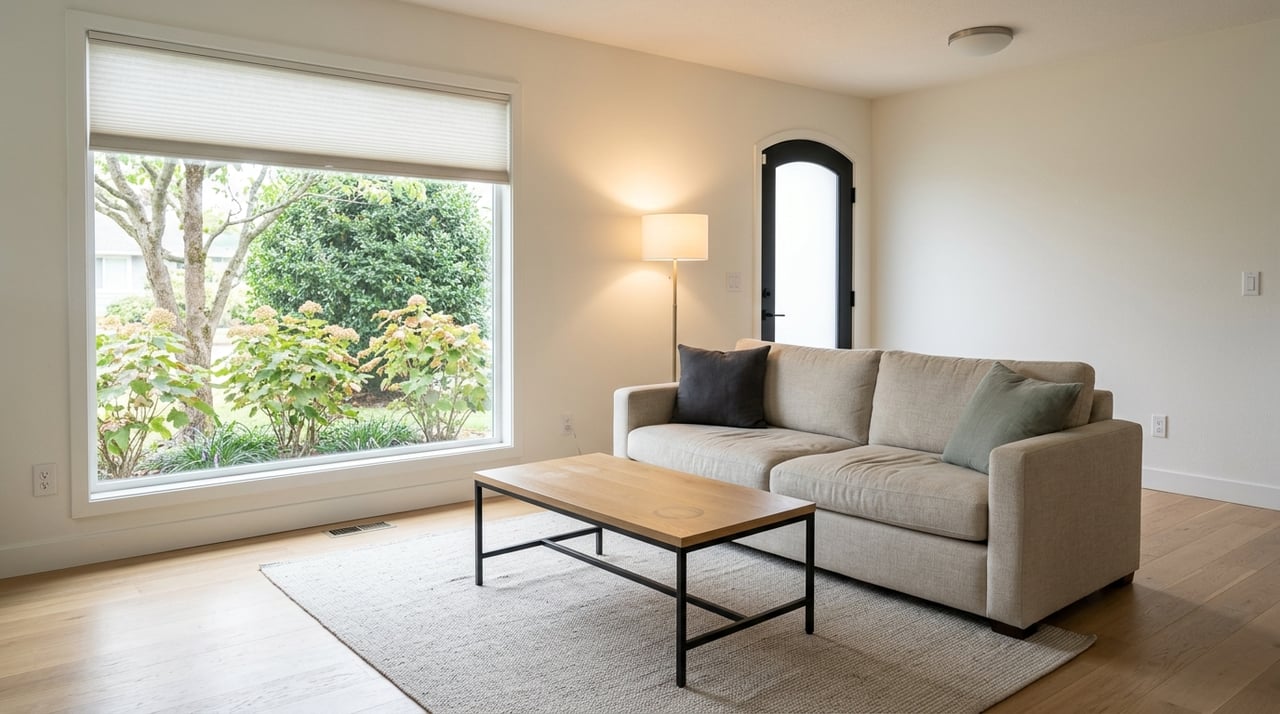
Durham Rental Property Investing: A Beginner’s Guide
April 23, 2026
April 23, 2026
Thinking about buying your first rental property in Durham? You are looking at a market with real opportunity, but it is not a place where every deal works just because the city is growing. If you want to invest with confidence, you need to understand local demand, realistic rent ranges, and the rules that can affect your numbers. This guide will help you think like a careful beginner investor in Durham and build a smarter plan before you buy. Let’s dive in.
Durham has several demand drivers that support a strong renter base. The city had 301,870 residents in July 2024, according to U.S. Census QuickFacts, and Durham County continues to grow as well. That population growth matters because it supports ongoing housing demand.
The renter pool is also backed by a diverse local economy. Durham County identifies higher education, healthcare, and professional and technical work as major industries, with institutions like Duke, Durham Technical Community College, and NCCU helping anchor the area. Duke reports 17,325 students and 48,313 employees, while Research Triangle Park says it includes more than 55,000 employees across more than 385 companies.
For a beginner, that diversity is a plus. You are not relying on just one employer or one tenant profile to support rental demand. Instead, Durham draws renters connected to education, healthcare, research, and other professional sectors.
Before you buy, it helps to understand the price range you are likely to see. Census QuickFacts shows a median owner-occupied home value of $392,800 in Durham for 2020 to 2024. That gives you a useful baseline for the local market.
Current market snapshots in the research notes place Durham home prices in the mid-to-high $300,000s up to the low $400,000s. The report notes that Zillow’s March 2026 page shows an average home value of $396,395 and a median sale price of $374,075, with homes going pending in about 35 days, while other platforms place the market near $400,000 to $425,000.
The main takeaway is simple: Durham is not a bargain-basement market, but it is also not behaving like an extreme frenzy market. For a first-time investor, that means you usually have some room to evaluate deals carefully instead of rushing into a purchase.
Rent data in Durham varies by property type, unit size, and source. The research report notes that Apartments.com rent trends show an average rent of $1,386, with about $1,386 for a one-bedroom and $1,620 for a two-bedroom. Other sources in the report show different ranges, which is normal because they track different inventories.
Downtown Durham tends to rent for more than citywide averages. The report cites RentCafe data showing an average downtown rent of $1,789, including $1,509 for a one-bedroom and $2,287 for a two-bedroom, with 71% of households renter-occupied there. That is a reminder that location and unit mix matter far more than a citywide average.
For beginners, this is one of the biggest lessons to remember: do not underwrite off a headline rent number. You need rent comps that match the exact property type, bedroom count, condition, and submarket you plan to buy in.
If you are just starting out, buy-and-hold is usually the most straightforward strategy in Durham. The city has a broad renter base supported by universities, healthcare, and RTP-related employment, which can make long-term rental demand more durable over time.
That said, you should stay conservative. The HUD Durham County market report describes the sales market as balanced and the rental market as slightly soft, with an 8.7% overall rental vacancy rate, an 11.4% apartment vacancy rate, and about 1,800 rental units under construction.
This does not mean rental investing is a bad idea. It means you should not assume instant rent growth, zero vacancy, or easy lease-up. A good Durham rental deal should still make sense with realistic vacancy, repair, and turnover assumptions.
The research report offers a helpful screening concept for beginners. Using Zillow’s reported median sale price of $374,075, gross annual rent yield estimates can range from about 3.9% at lower one-bedroom rent levels to about 7.4% using stronger downtown two-bedroom rent figures, with many mid-market scenarios clustering around 4.4% to 6.0% before expenses.
That range is useful because it shows why averages can be misleading. A property with average rent in an average location may perform very differently than a well-located two-bedroom in a stronger rental pocket. Your job as an investor is to evaluate the actual deal, not the city headline.
Here is what gross yield does not include:
That is why a property that looks fine on paper can still underperform in real life. Conservative math protects you.
Not every investing strategy fits every Durham property. If you are a beginner, it helps to know where complexity can sneak in.
This is often the easiest entry point. You buy a property, stabilize it, and focus on steady long-term operation rather than trying to force a quick outcome. In Durham, this can make sense near employment centers, education anchors, downtown, and areas with durable rental demand.
BRRRR can work, but only if the numbers truly support the rehab and refinance. The research report notes that Durham’s Proactive Rental Inspection Program means code compliance matters, and rehab budgets should account for more than surface-level updates. A beginner should plan for habitability issues, code items, and lease-up readiness, not just cosmetic improvements.
Short-term rentals can look appealing, but they are more operationally complex. The report notes that North Carolina’s Vacation Rental Act has written agreement and advance payment rules, and Durham zoning must be verified by property address through the city’s UDO rather than assumed from the city name alone. That means you should confirm zoning, HOA restrictions, and local use rules before projecting any nightly income.
Beginner investors often focus on purchase price and rent, but legal and operating details matter just as much. Durham has local fair housing enforcement in addition to federal law. The city states that discrimination in housing is illegal on the basis of protected characteristics including race, color, national origin, religion, sex, disability, familial status, military status, protected hairstyles, sexual orientation, and sexual identity, as explained on the city’s Fair Housing page.
In practical terms, that affects how you advertise, screen applicants, apply standards, and handle exceptions. A consistent process is not just good business. It also helps reduce risk.
Security deposits matter too. North Carolina’s Residential Tenant Security Deposit Act limits deposits based on lease term length and requires proper handling and accounting. For a beginner landlord, this is one of the easiest compliance issues to get right from the start.
If you want to invest in Durham rental property, keep your first analysis simple and disciplined. A beginner-friendly approach usually includes these steps:
If a deal only works with perfect assumptions, it probably is not the right first investment.
In Durham, beginner-friendly properties usually share a few traits. They often sit in areas with broad rental demand, have a manageable repair scope, and offer rent potential that can be supported by local comps rather than wishful thinking.
The research report sums it up well: better candidates tend to have durable demand, manageable rehab scope, and a clear path to compliance. That may not sound flashy, but it is exactly the kind of thinking that helps first-time investors stay in the game long enough to build wealth.
Durham offers real rental property potential because it continues to grow and draws renters from several major employment and education bases. At the same time, the market is balanced enough that you cannot rely on hype, automatic appreciation, or aggressive rent projections to save a weak deal.
If you are planning your first rental purchase, the smartest move is to focus on property-specific numbers, realistic expenses, and a clear operating plan. When you buy with discipline, Durham can be a strong place to start building a long-term portfolio. If you want local guidance on buy-and-hold opportunities, off-market sourcing, renovation planning, or property management support, connect with DECO CAPITAL to talk through your next step.
Stay up to date on the latest real estate trends.
At The Cedeno Group, our agents are all fully bilingual in English and Spanish, ensuring seamless communication for our diverse clientele. With extensive experience in the real estate market, we go beyond traditional approaches, offering out-of-the-box opportunities to help clients achieve their real estate goals. Whether buying, selling, or investing, our team is dedicated to making the process smooth, successful, and tailored to each client's unique needs.
Get In Touch With Our Team To Learn More

The Cedeno Group Real Estate
5826 Fayetteville Rd, Suite 206 Durham, NC 27713