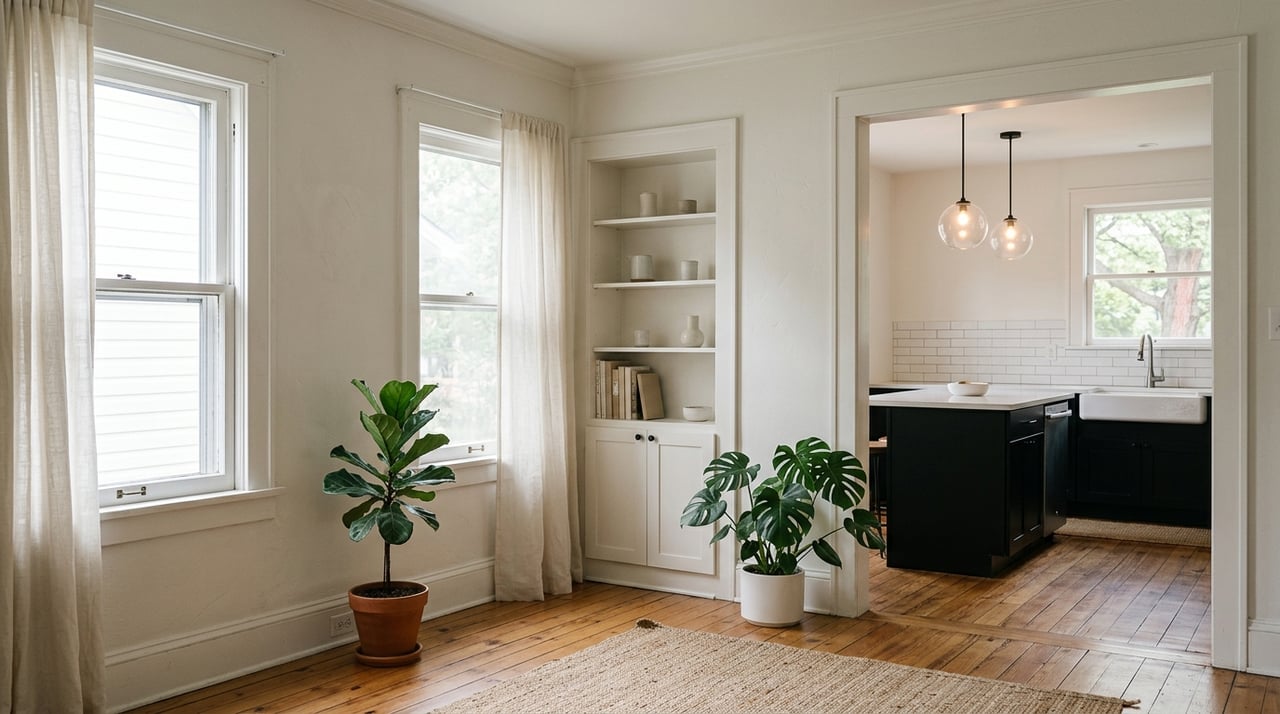
Historic Homes in Durham NC: Bungalows and Mill Homes
June 18, 2026
June 18, 2026
If you have ever fallen for a front porch, deep eaves, and the kind of street presence newer homes rarely match, a historic Durham bungalow or mill home may already be on your mind. These homes can offer real character and a strong sense of place, but they also come with questions about layout, maintenance, and local historic rules. This guide will help you understand what living in one of these Durham homes can actually feel like, what to watch for before you buy, and how to make a smart decision. Let’s dive in.
Durham has eight designated local historic districts, and each overlaps with at least part of a National Register Historic District. The city has been actively protecting historic resources since the 1970s, which is one reason many older homes still retain their original form and details.
For buyers interested in bungalow or mill-home history, several Durham areas stand out. Trinity Heights, Watts-Hillandale, and Morehead Hill help tell the story of bungalow-era development, while Northeast Central Durham includes Durham’s first textile mill and nearby millworker housing. Older East Durham neighborhoods also reflect this history, especially where former millworker homes were later converted to low-cost rentals as the textile industry declined.
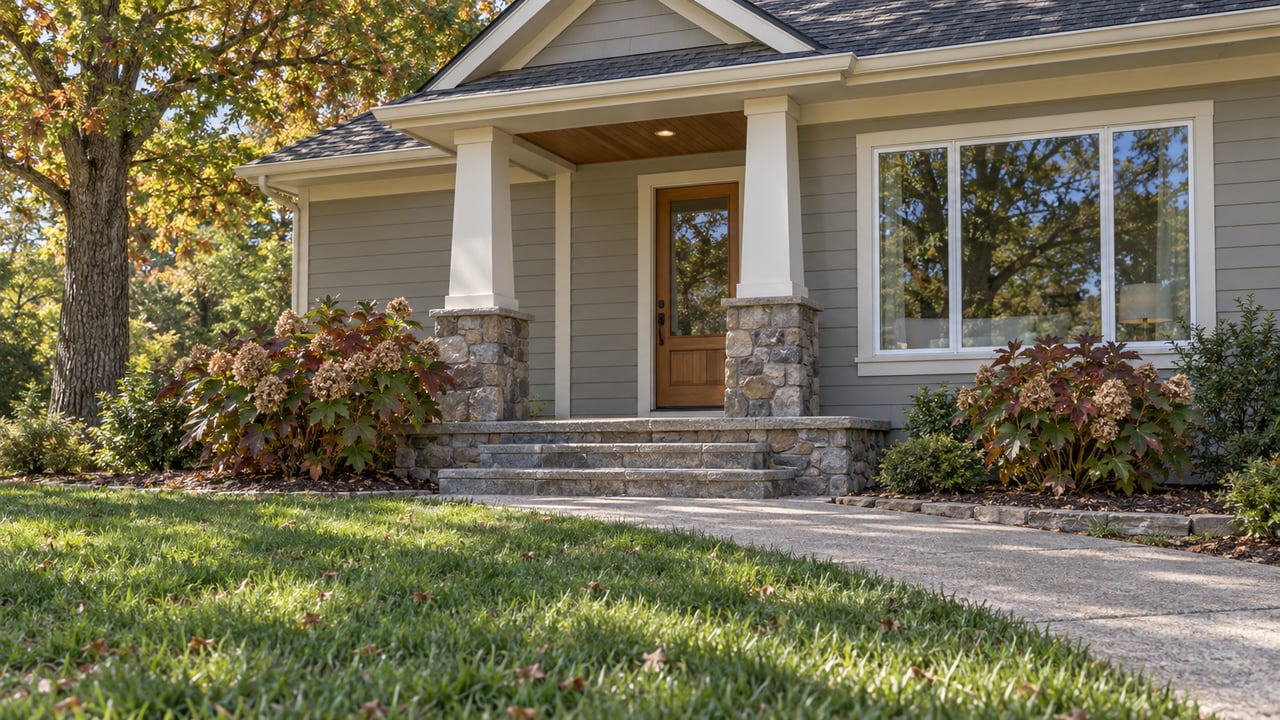
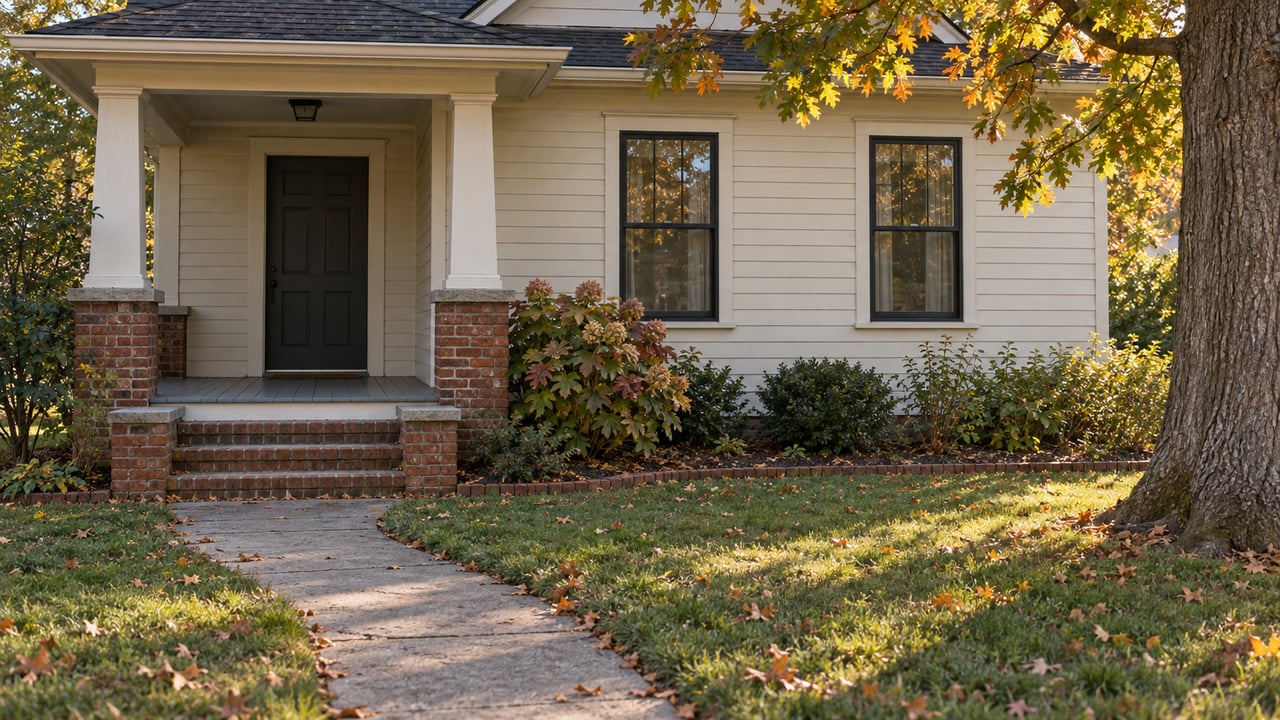
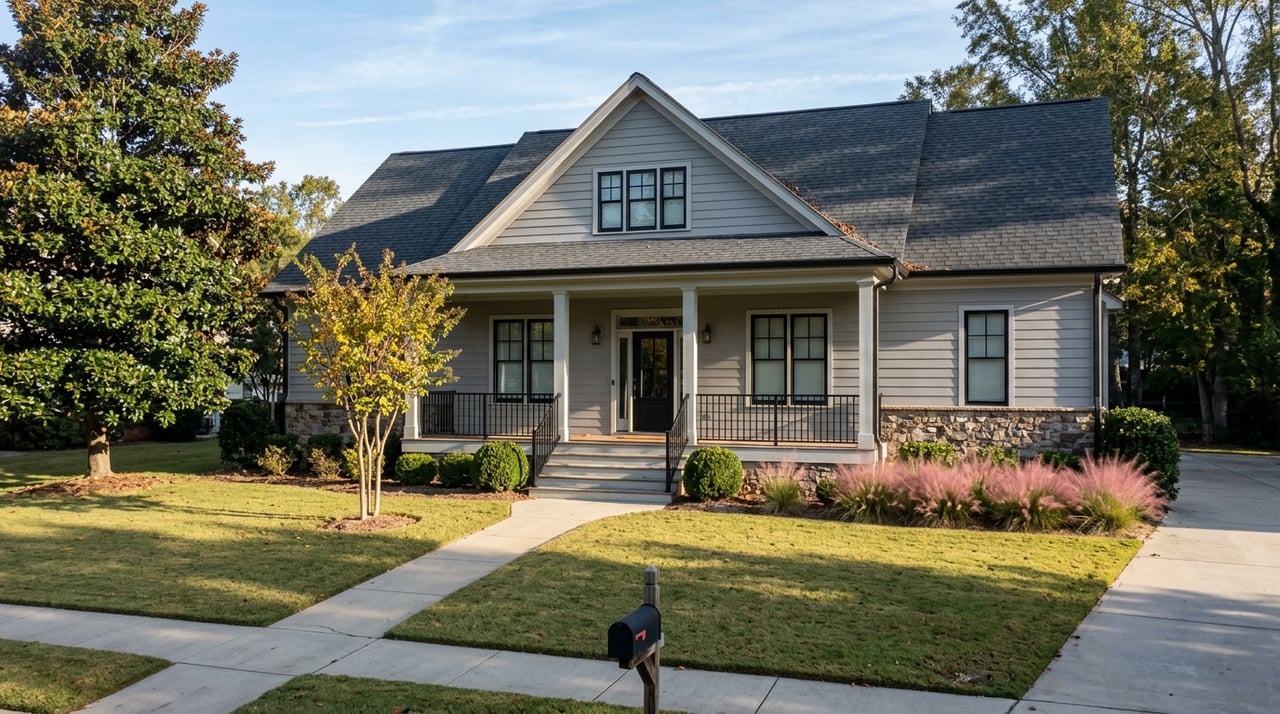
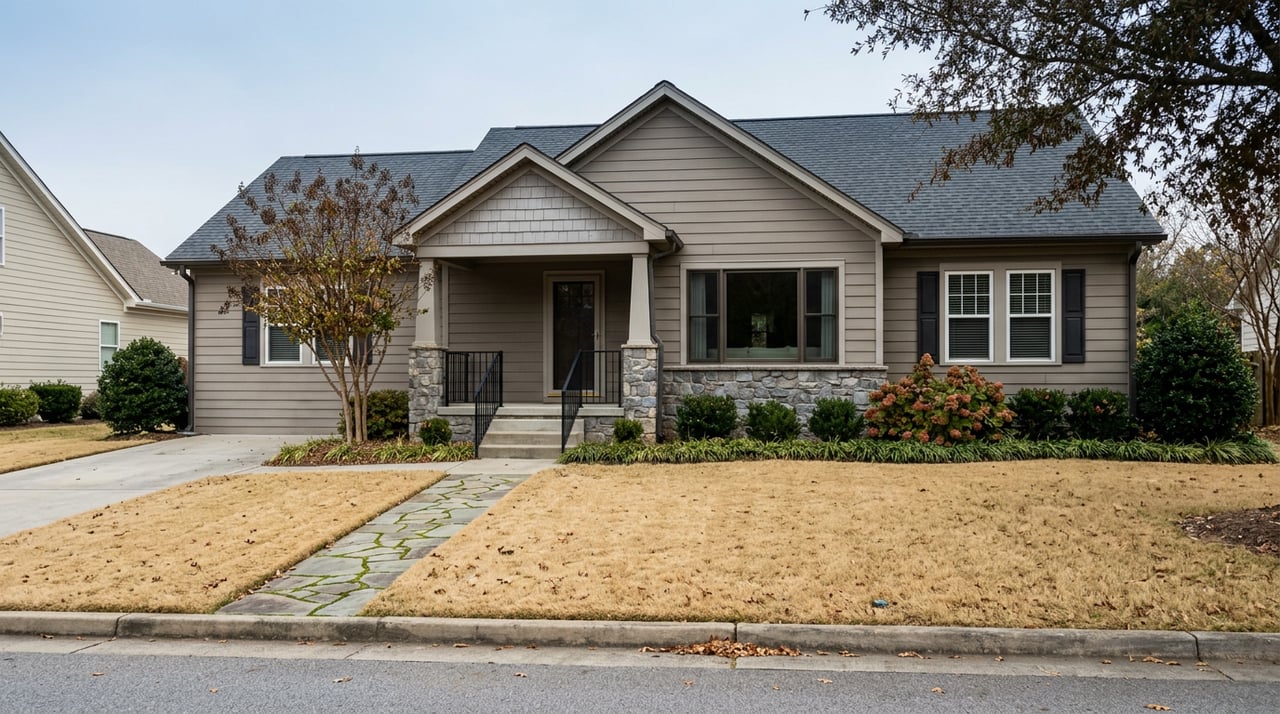
A Durham bungalow is usually one to one-and-a-half stories with a low roofline, a prominent front porch, and a compact layout. In local preservation plans, these homes are described as well suited to narrow city lots, often with a narrower front and a deeper side profile.
You may also see side-gable roofs, shed dormers, deep eaves, exposed brackets, and visible rafter tails. Some homes were designed so attic space could be expanded later, which adds a little flexibility even in a smaller footprint.
In daily life, a bungalow often feels more porch-centered and more segmented than a newer open-plan house. The charm is usually in the proportions, trim, and the way the home meets the street. The trade-off is that you may have less square footage, fewer closets, and less built-in flexibility than you would in more modern construction.
Mill homes come from a different chapter of Durham’s history. In North Carolina mill villages, housing often existed alongside a larger village pattern that could include worker homes, a supervisor’s house, churches, a school, and a company store.
By 1900, many mill houses were one-story four-room homes. Local East Durham oral history adds more texture, describing porches, sheds, gardens, fruit trees, and upper rooms with low ceilings.
For you as a buyer, that history often shows up in a smaller and simpler layout. These homes can feel practical, close to the lot, and connected to outdoor space. At the same time, storage, parking, privacy, and the number of separate indoor living zones may be more limited than you expect if you are comparing them with newer homes.
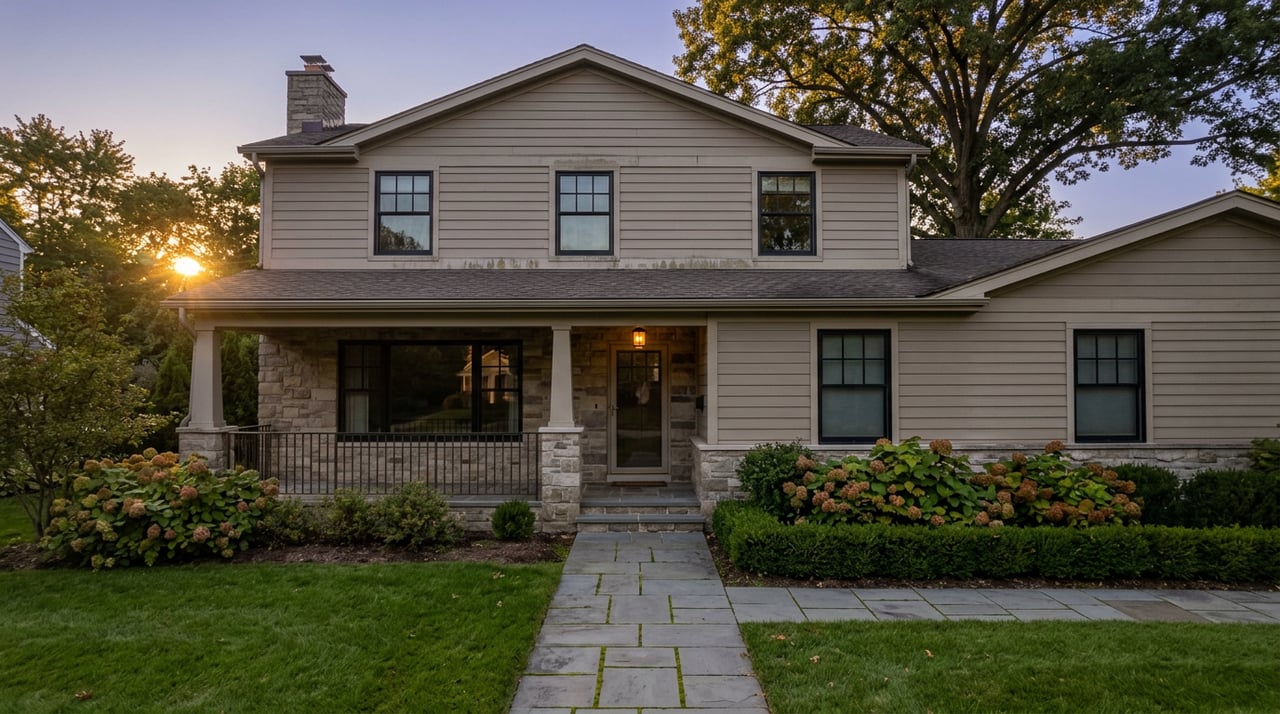
One of the biggest decisions is whether the home’s character fits the way you want to live. Older bungalows and mill homes often offer original trim, porch-centered living, and a stronger street presence than newer builds.
But convenience can look different in a historic home. Rooms may be smaller, closets may be tighter, and laundry, pantry space, or parking may not feel as effortless as they do in newer construction. If you love architectural detail and a more distinctive home, that trade-off may feel worth it. If you want maximum flexibility and low-maintenance systems, you may need to look more carefully before moving forward.
In Durham, local historic designation matters more than many buyers realize. If a property is in a local historic district or is a local landmark, you generally need a certificate of appropriateness, or COA, before exterior or site changes begin.
That can apply to more than major additions. Durham’s review categories can affect work involving siding, doors, windows, utilities, landscaping, lighting, paving, walls, and fences. Some narrowly defined maintenance may not require a COA, but larger projects can require a pre-submittal conference and review by the Historic Preservation Commission.
This is why you should always find out whether a home is locally designated, only listed on the National Register, or both. Durham states that National Register listing alone does not restrict private property use, while local designation does bring review requirements.
If you are planning exterior updates, your timeline and budget may be shaped by Durham’s review process. That does not mean you should avoid a historic home. It simply means you should go in with a clear understanding of what has already been approved and what may require city review later.
Historic homes do best when they are cared for consistently. Preservation guidance for older buildings emphasizes regular inspection, monitoring, and seasonal upkeep, with a focus on keeping existing form, features, and materials rather than replacing everything at once.
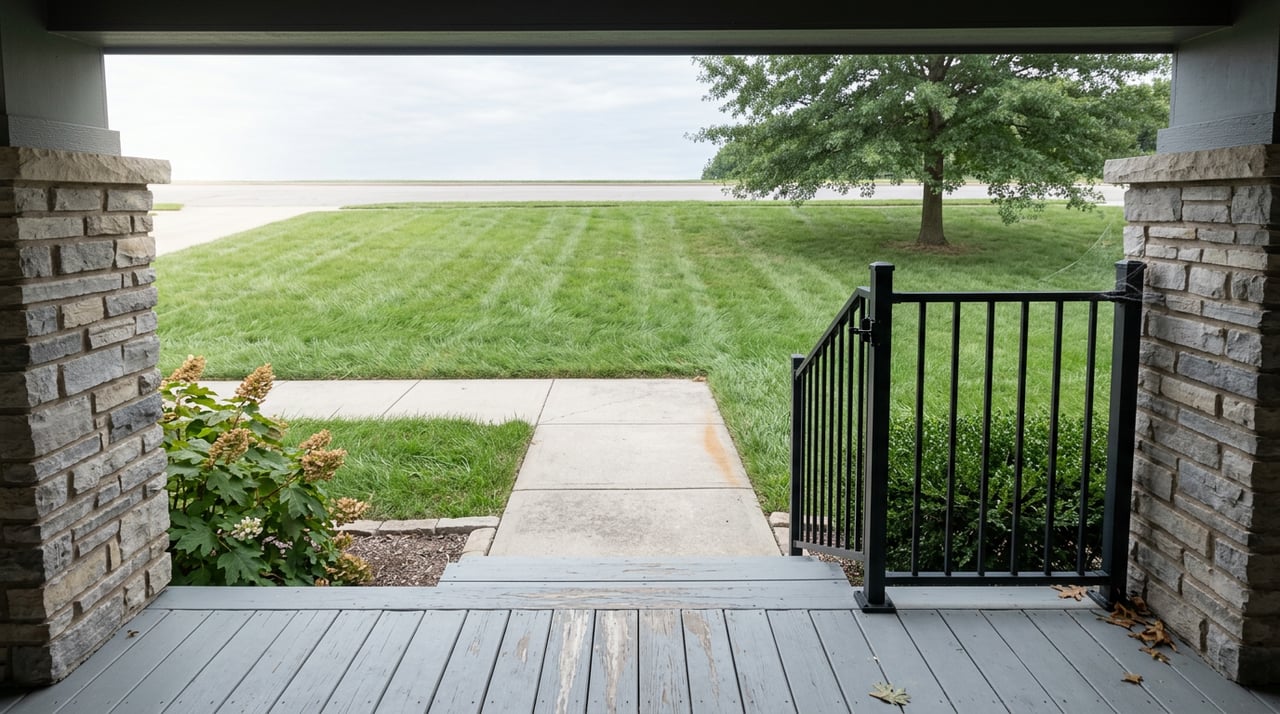
For a Durham bungalow or mill home, the biggest issues are often the basics. A sound roof matters, porch components can be vulnerable to moisture and wood rot, and peeling paint may point to a moisture issue rather than just a cosmetic one.
Window condition also deserves a close look. In a historic home, windows affect both function and character, and some energy improvements may be possible without removing older windows.
Before you buy a historic Durham bungalow or mill home, ask questions that go beyond square footage and finishes. These homes can be wonderful, but the right fit depends on how the property functions today and what rules may affect it tomorrow.
Find out whether the property is in a local historic district or is a local landmark. Ask what exterior work has already been approved through the COA process and whether any changes were made without permits or approvals.
Try to identify which features are original and which have been replaced. Rooflines, porches, windows, siding, and trim are often some of the most character-defining parts of these homes.
A beautiful porch does not solve a missing pantry or limited laundry space. Think through bedrooms, storage, parking, privacy, and how the room layout supports your daily routine.
If you already know you want to add a fence, replace windows, build an addition, or change exterior materials, ask how Durham’s COA process may affect those plans. That clarity can save you time, stress, and money later.
A historic Durham bungalow or mill home can be a great fit if you value original character, a front-porch lifestyle, and a home with a strong connection to Durham’s history. These properties often stand out because they feel personal, grounded, and distinct.
They are not always the easiest homes, though. You may be choosing charm over storage, authenticity over open-plan design, or neighborhood character over simple renovation freedom. The right choice comes down to how you want to live and how prepared you are for the responsibilities that can come with an older home.
If you are exploring historic homes in Durham and want practical guidance from a local team that understands both the lifestyle and the decision-making side of buying, connect with DECO CAPITAL. You deserve clear advice, thoughtful strategy, and support that meets you where you are.
Stay up to date on the latest real estate trends.
At The Cedeno Group, our agents are all fully bilingual in English and Spanish, ensuring seamless communication for our diverse clientele. With extensive experience in the real estate market, we go beyond traditional approaches, offering out-of-the-box opportunities to help clients achieve their real estate goals. Whether buying, selling, or investing, our team is dedicated to making the process smooth, successful, and tailored to each client's unique needs.
Get In Touch With Our Team To Learn More

The Cedeno Group Real Estate
5826 Fayetteville Rd, Suite 206 Durham, NC 27713