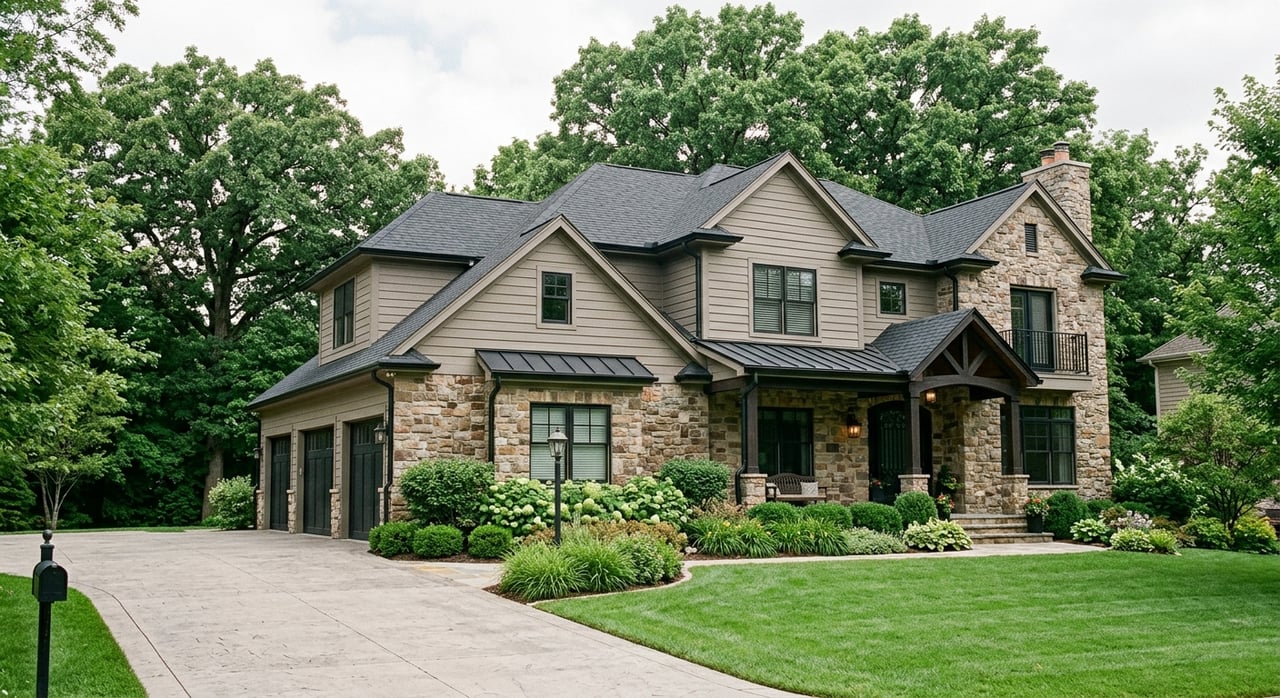
How to Prepare Your Durham Home to Sell Step by Step
May 21, 2026
May 21, 2026
Thinking about listing your Durham home soon? In today’s market, preparation can shape everything from your asking price to how smoothly you move through negotiations. If you want fewer surprises, stronger buyer confidence, and a cleaner path to closing, a step-by-step plan matters. Let’s dive in.
Before you paint a wall or book photos, it helps to know what the market is telling you. In March 2026, Durham County posted a median sales price of $415,000 with 32 median days on market, while Durham City came in at $410,000 with 33 median days on market and 659 new listings.
That tells you two important things. Homes are still selling, but buyers are not rushing past obvious issues. With the 30-year fixed mortgage rate at 6.36% as of May 14, 2026, many buyers are watching their monthly payment closely, so condition and pricing can carry more weight.
If you want your listing process to feel less stressful, start earlier than you think. Giving yourself 8 to 12 weeks before going live creates room to fix problems, organize paperwork, and make smart decisions without a time crunch.
This early window is also when you can separate must-do items from nice-to-do items. That can help you avoid overspending on updates that may not improve your result.
A pre-list inspection can help you spot issues before buyers do. In North Carolina, the Real Estate Commission notes that a home inspection is visual and not technically exhaustive, so it is best used as an early warning tool rather than a guarantee.
If the inspection points to concerns with the roof, HVAC, foundation, plumbing, electrical, mold, or water quality, it may make sense to bring in a specialist. Getting more clarity early can help you decide whether to repair the issue, price around it, or prepare for buyer questions.
Start building a simple file with the documents buyers are likely to ask about. That can include repair invoices, permits, warranties, septic records if applicable, HVAC service records, and any homeowners association documents.
Having these ready helps in two ways. First, it makes your disclosure process easier. Second, it can reduce delays when a buyer starts asking detailed questions during due diligence.
If you have completed work on the home, this is a good time to confirm whether permits were required and whether final approvals were completed. In Durham, the City-County Building & Safety Department handles permits, plan review, and inspections, and permits may be required for structural work, electrical work, and HVAC installation or upgrades.
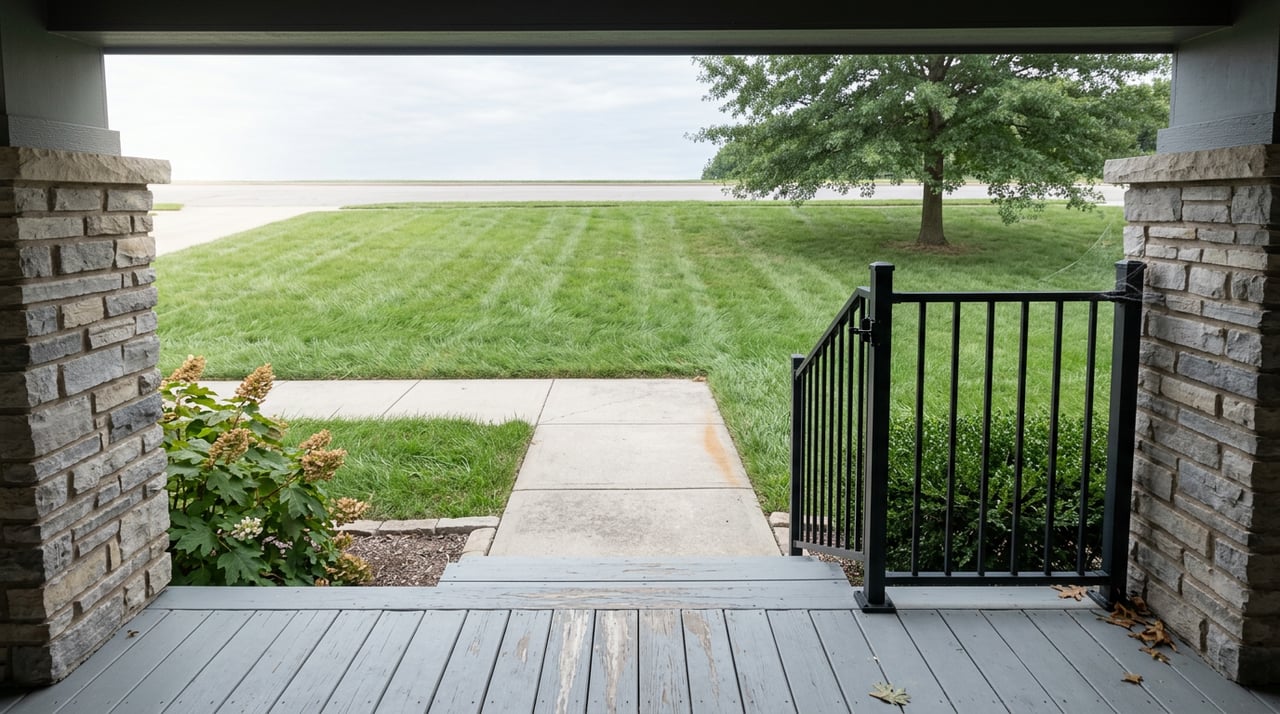
You should also verify basic property details using Durham mapping and land records tools, which can help you review parcel boundaries, zoning, floodplain information, historic overlays, and ownership records. This step is especially helpful if you added a deck, porch, shed, or other improvement.
One of the most important parts of preparing to list is getting your disclosures right. North Carolina requires most sellers of residential property to provide the Residential Property and Owners’ Association Disclosure Statement and the Mineral and Oil and Gas Rights Mandatory Disclosure Statement before an offer is made.
If your property is part of an HOA or subject to similar covenants, you also need to provide information about the association. That can include contact information, regular dues, pending assessments, lawsuits, services covered by dues, and any transfer fees.
North Carolina’s disclosure law covers many of the issues buyers care about most. That includes water and sewer, roof, foundation, HVAC, electrical systems, zoning, encroachments, and environmental hazards.
This is not the place to guess. If you know something has changed or a new issue comes up during your prep period, you should promptly update the disclosure.
Some sellers assume listing a home as-is will simplify everything. In North Carolina, as-is means you are not planning to make repairs, but it does not remove the buyer’s right to inspect or the seller’s duty to disclose known issues.
That matters because buyers in North Carolina often use the due diligence period to inspect the property, review title matters, handle appraisal steps, and negotiate repairs. If your home has visible defects or missing documentation, buyers may react with a lower offer, a repair request, or a decision to walk away.
About a month before listing, shift your attention to presentation. This is when most sellers should focus on decluttering, deep cleaning, small repairs, painting, and landscaping.
In a market where buyers are price-sensitive, move-in-ready presentation can make a real difference. Clean, well-maintained homes tend to help buyers picture themselves in the space more easily.
Online photos are often the first showing. That means your goal is not just a cleaner house, but a home that looks calm, open, and easy to understand in pictures.
Remove extra furniture, clear countertops, organize storage areas, and simplify wall decor where needed. Buyers do not need empty rooms, but they do need to see the space clearly.
Loose hardware, chipped paint, stained caulk, burned-out bulbs, and sticky doors can seem minor. Together, though, they can make buyers wonder what bigger issues they are not seeing.
If you decide to complete repairs, keep your invoices and confirm the workers are properly licensed when required. If the work is substantial, a reinspection before closing may also be worth considering.
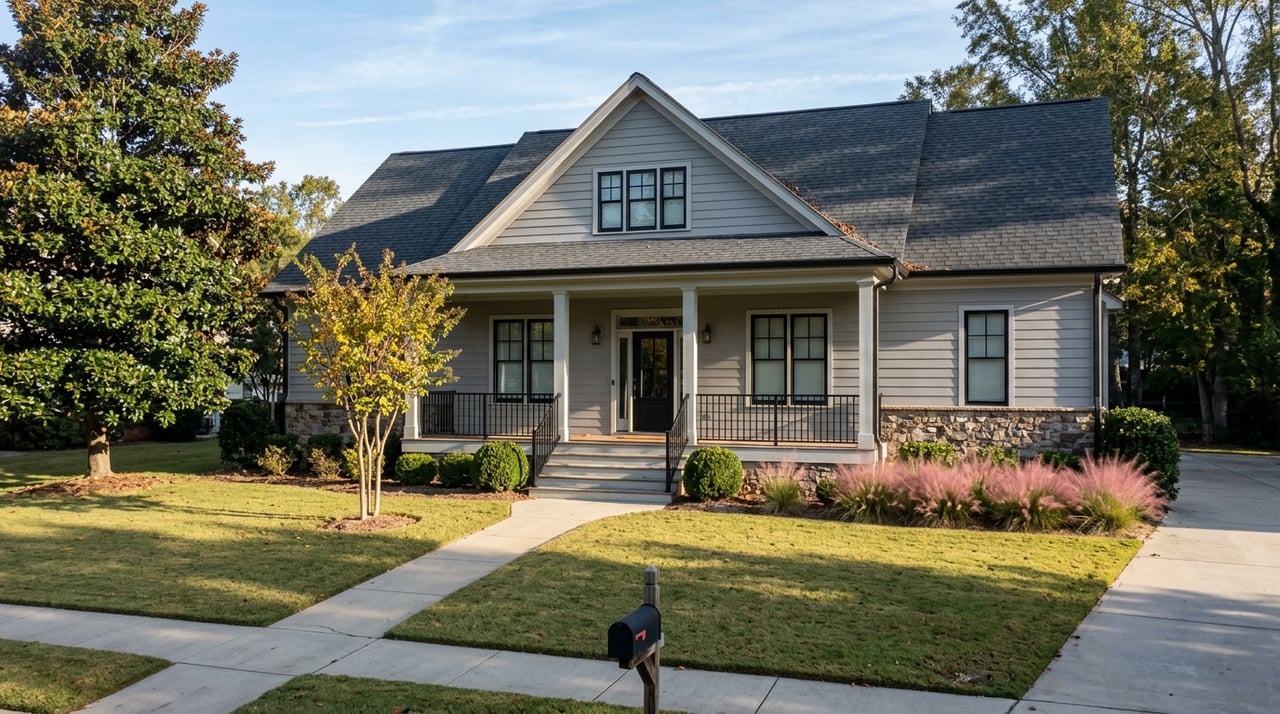
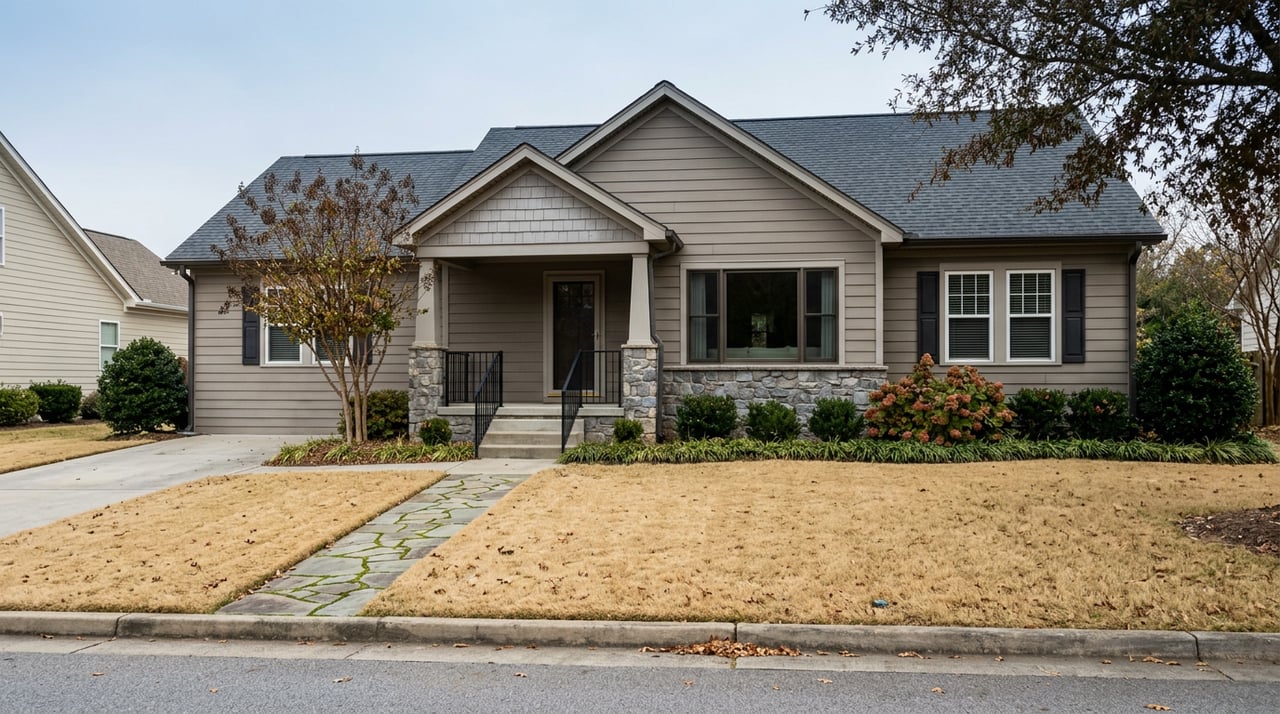
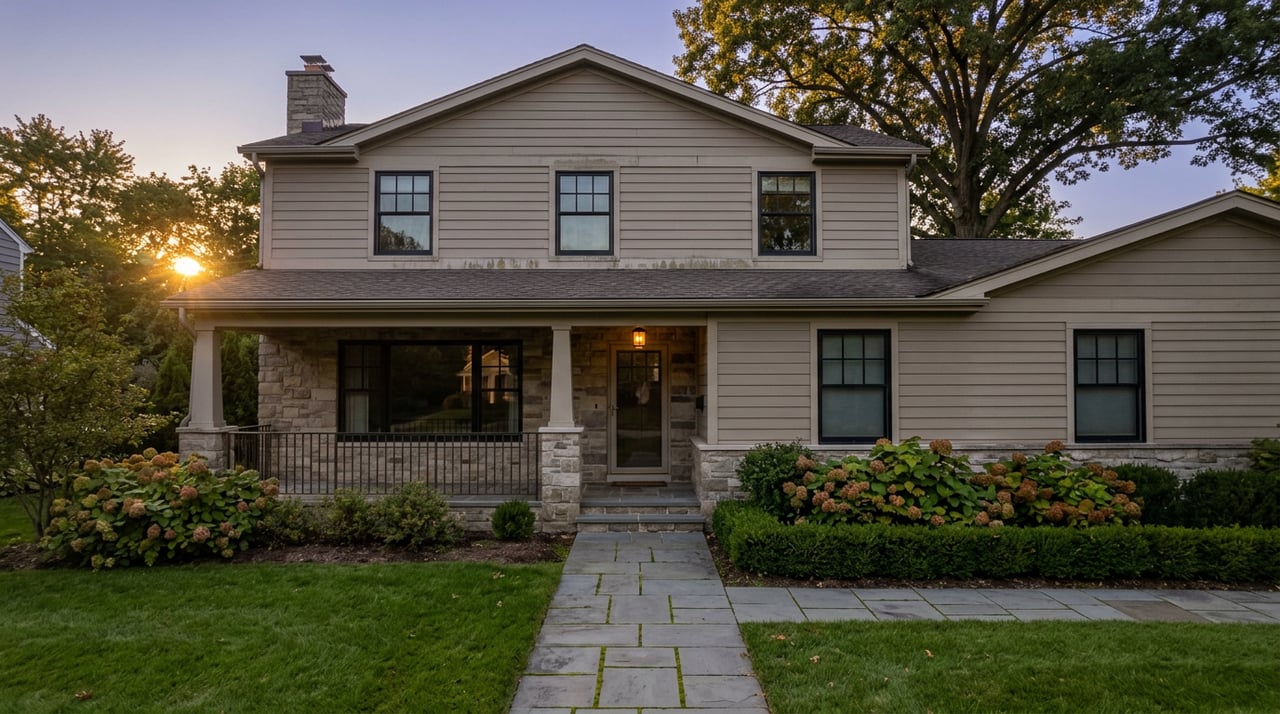
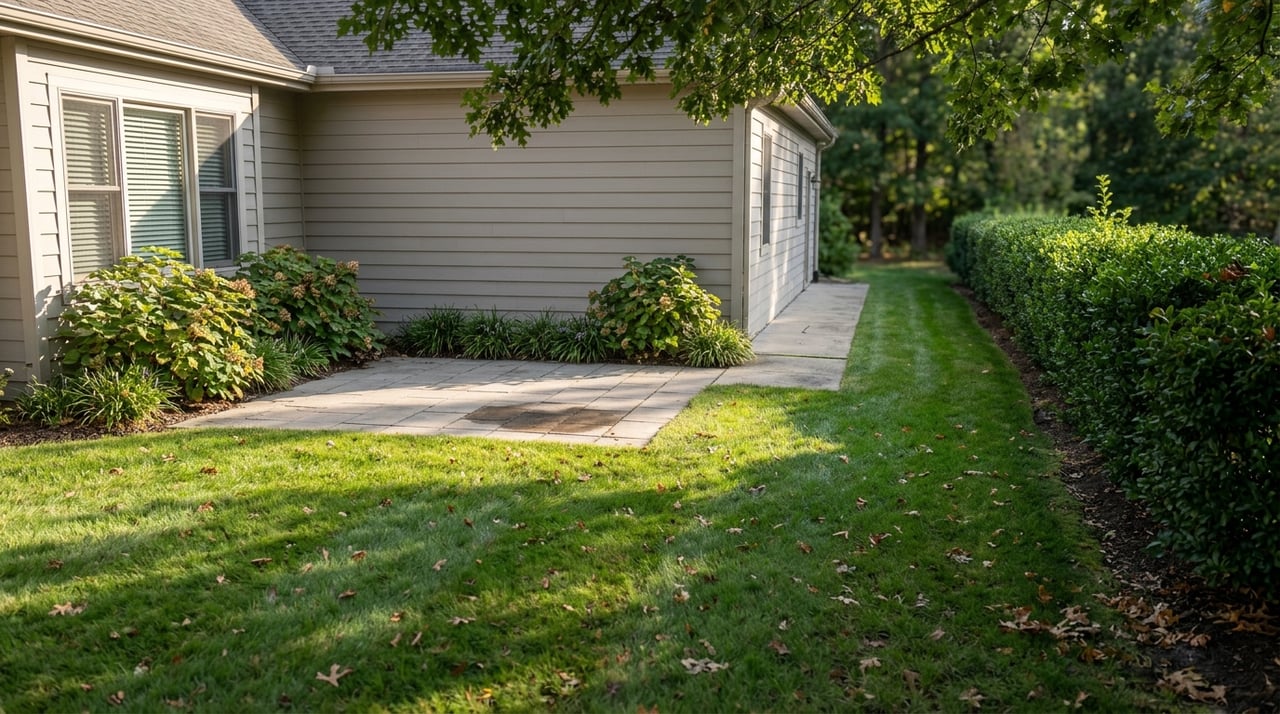
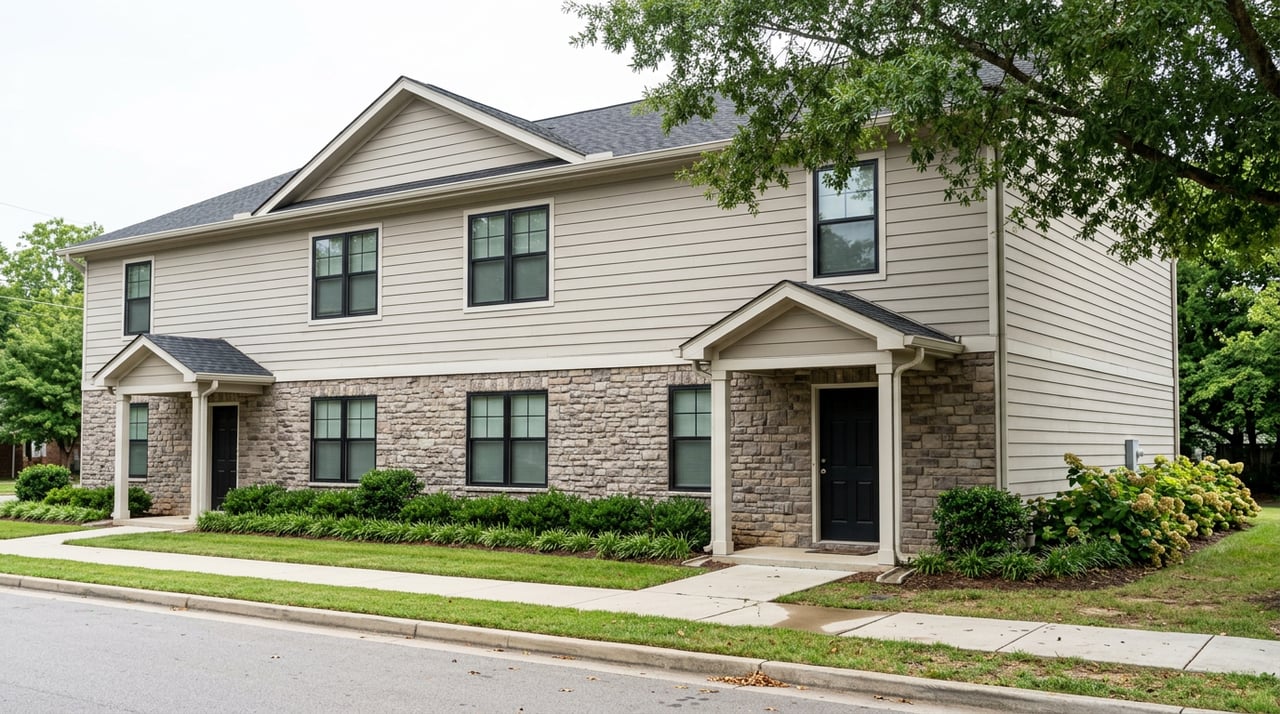
Your exterior sets the tone before a buyer walks in. Fresh mulch, trimmed shrubs, a swept porch, and a neat entry can make your home feel better cared for from the start.
This does not have to mean a major landscaping bill. In many cases, simple upkeep and clean lines go a long way.
In Durham, a few local factors deserve extra attention before you list. These are often the kinds of items that can raise questions fast once a buyer starts reviewing the property.
The most useful ones to check are floodplain status, permit history, HOA obligations, and obvious system concerns. Addressing them early can help you avoid last-minute scrambling.
If any part of your lot is in a FEMA-mapped floodplain, Durham says land-disturbing activity may require a floodplain development permit. Even items like fences, sheds, and picnic tables may require permits in some cases.
If your property has past improvements near a floodplain area, it is smart to verify the status before listing. Buyers may ask direct questions about this, especially if they are comparing multiple homes.
Durham’s Small Project Review process can apply to renovations, additions, porches, decks, repairs, pools, spas, photovoltaic arrays, and certain demolitions. If the property is in a floodplain or historic overlay, extra review may apply.
If you completed work over the years, double-checking this now can help you avoid confusion later. Clean records and clear answers build confidence.
As listing week gets close, your job is to tighten everything up. This is the time to recheck disclosures, finish touch-ups, and make sure the home is ready for photos and showings.
You do not want to be dealing with last-minute repairs, missing paperwork, or preventable presentation issues once your listing is live. A short final checklist can help.
If a new leak appears, an appliance stops working, or a prep project uncovers a defect, update your disclosure promptly. Accuracy matters, and it is much easier to handle changes before buyers are deep into the process.
This final review is also a good time to confirm your HOA details, permit information, and repair records are easy to share if requested.
Buyers who see strong listing photos are more likely to schedule a walkthrough. Once cleaning and staging are done, walk room by room and look for anything that will stand out on camera, like cords, clutter, unmatched light bulbs, or crowded surfaces.
Aim for bright, simple, and well-maintained. You want buyers to notice the home itself, not distractions.
Pricing is not something to do in isolation. Your asking price should reflect your home’s condition, the most recent Durham comparable sales, and the reality of current mortgage rates.
In a market where homes are moving in about a month instead of a weekend, overpricing can cost you momentum. A well-prepared home with a realistic price often puts you in a stronger position than a higher-priced listing that needs multiple reductions.
Once your home hits the market, buyers may move quickly, but that does not mean the hard part is over. In North Carolina, the due diligence period gives buyers time to inspect, investigate, and negotiate.
That is why your prep work matters so much. When your home is clean, your records are organized, and your disclosures are current, you make it easier for buyers to feel informed and more comfortable moving forward.
If you want a quick summary, here is a practical order to follow:
Preparing well before you list can save you stress, reduce negotiation surprises, and help your home make a stronger first impression. If you want local guidance on pricing, preparation, or what Durham buyers are paying attention to right now, talk with DECO CAPITAL for a clear next step.
Stay up to date on the latest real estate trends.
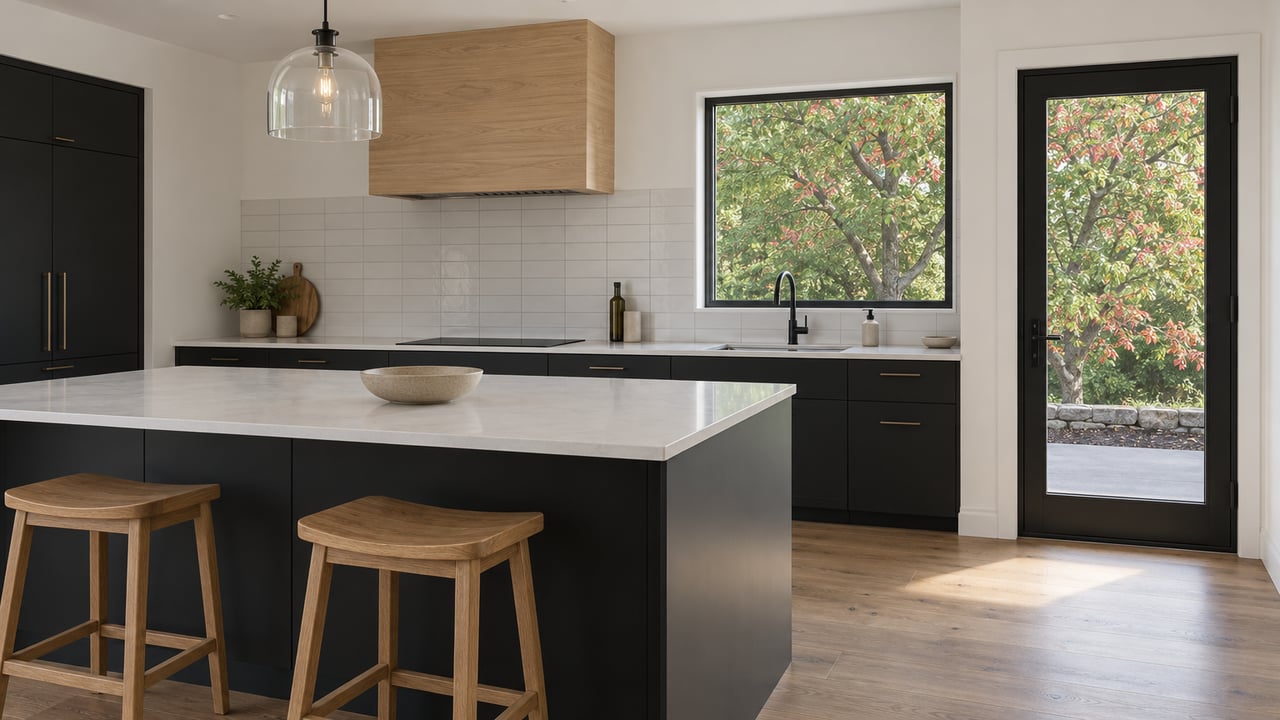
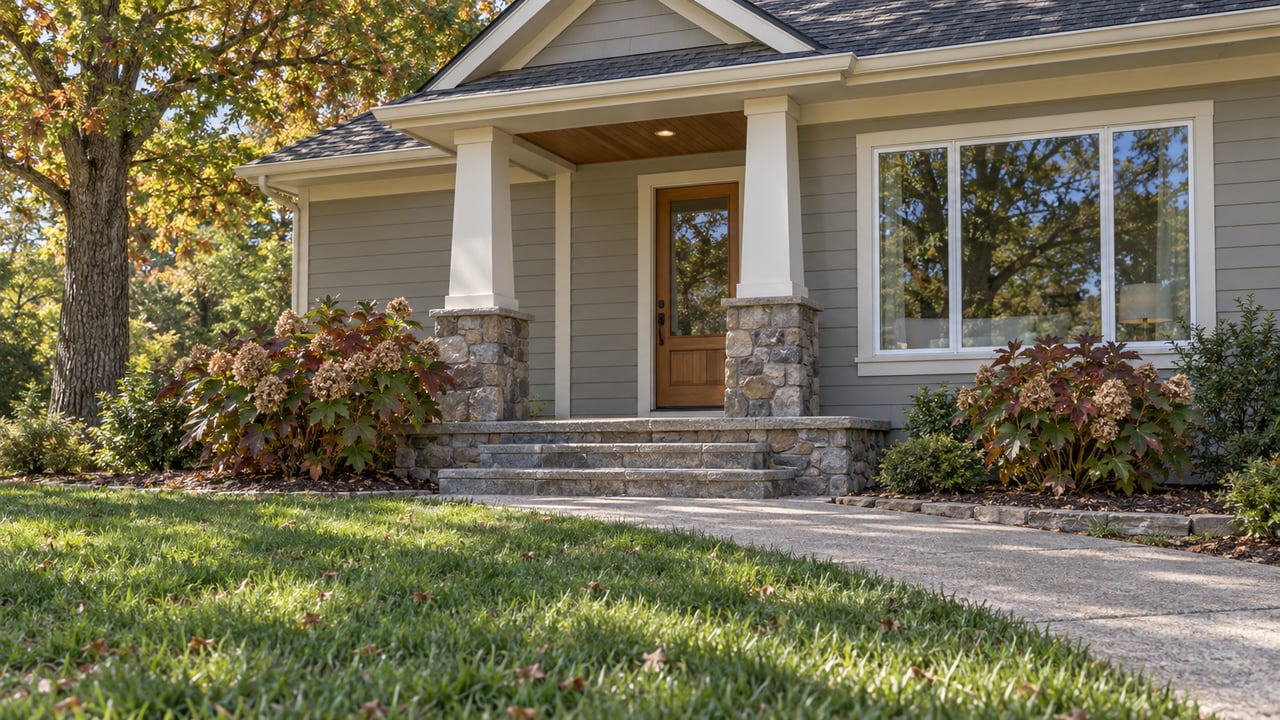
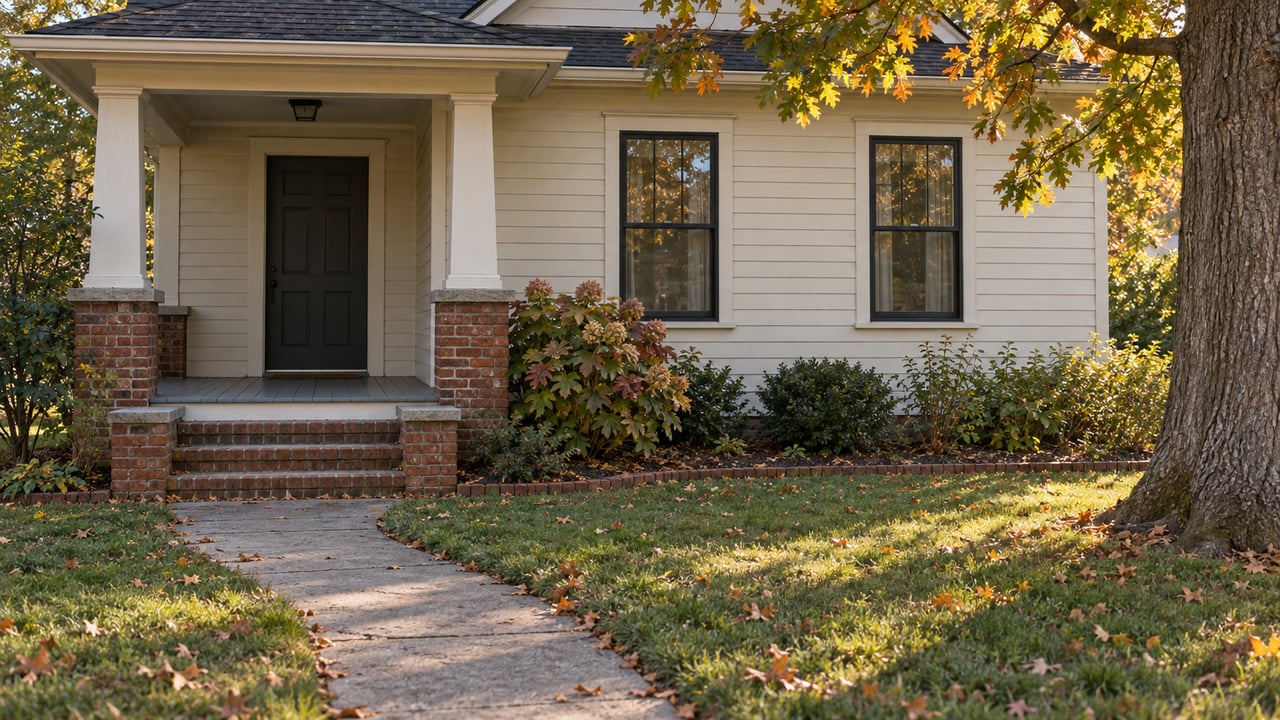
At The Cedeno Group, our agents are all fully bilingual in English and Spanish, ensuring seamless communication for our diverse clientele. With extensive experience in the real estate market, we go beyond traditional approaches, offering out-of-the-box opportunities to help clients achieve their real estate goals. Whether buying, selling, or investing, our team is dedicated to making the process smooth, successful, and tailored to each client's unique needs.
Get In Touch With Our Team To Learn More

The Cedeno Group Real Estate
5826 Fayetteville Rd, Suite 206 Durham, NC 27713