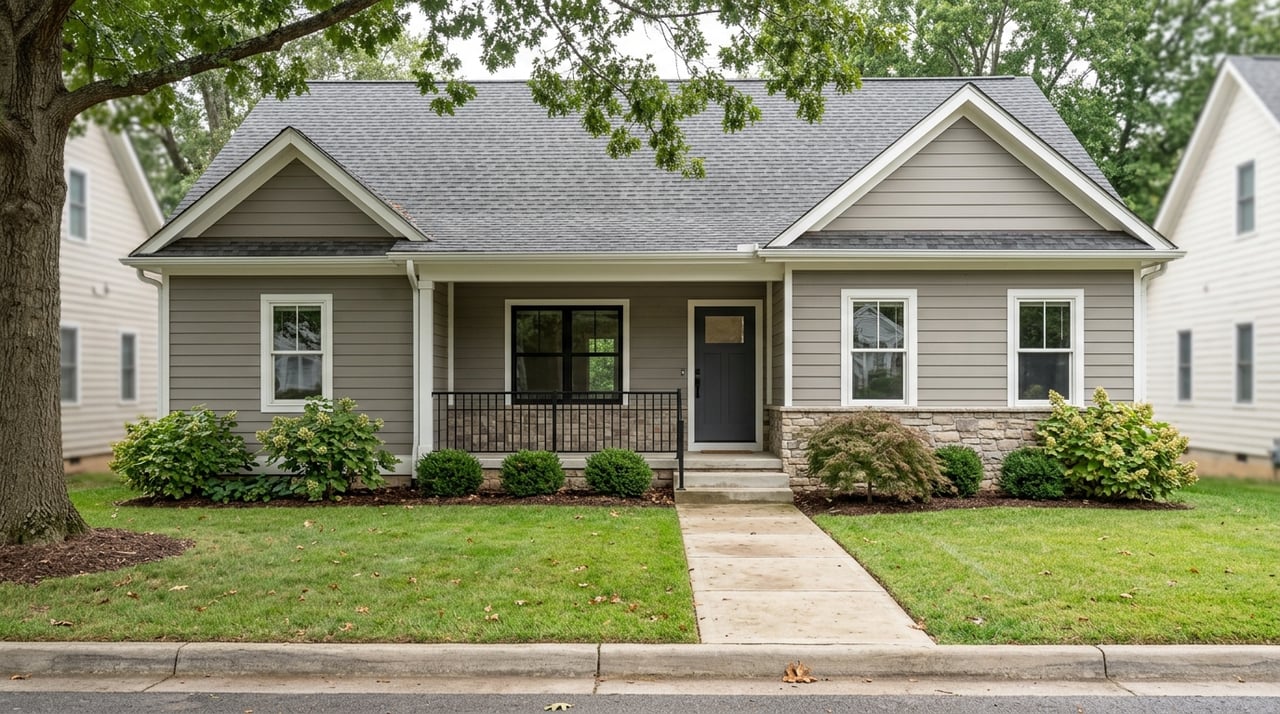
Selling a Tenant-Occupied Property in Durham
July 16, 2026
July 16, 2026
Selling a rental with a tenant still living inside can feel tricky, especially if you are trying to protect your timeline, your sale price, and the tenant relationship at the same time. In Durham, the good news is that a tenant-occupied property can absolutely sell, but the best path depends on the lease, the tenant’s cooperation, and the type of buyer you want to attract. If you understand the rules early and build the right strategy, you can avoid surprises and keep the process moving. Let’s dive in.
Before you think about photos, showings, or pricing, review the lease. In North Carolina, selling the property usually does not cancel the lease, and the buyer generally steps into the landlord’s position under that lease.
That means the lease often stays in place after closing. If you promise a buyer fast move-in access without checking the lease first, you could create a problem that delays or hurts the sale.
The lease type shapes your options. A fixed-term lease usually gives you less flexibility because the tenant may have the right to stay until the lease ends unless both sides agree otherwise.
A month-to-month tenancy gives you more room to plan for vacancy. In North Carolina, a month-to-month tenancy requires 7 days’ notice to quit, while year-to-year requires one month and week-to-week requires two days.
Every lease has its own language on access, notice, and occupancy. If you have questions about what your lease allows, it is smart to consult a North Carolina attorney before you list the property.
That step matters even more if the tenant is not cooperating, the lease is unclear, or you are trying to time the sale around a move-out date. A quick review up front can help you avoid a much bigger issue later.
A tenant is not just part of the file. They are still the lawful resident of the home, and that matters during a sale.
In North Carolina, tenants have a right to quiet enjoyment of the property. If the lease does not give a right of entry, the landlord does not automatically have unlimited access just because the property is going on the market.
Many sales problems start with unrealistic showing plans. If the tenant is getting calls from multiple people, dealing with scattered appointments, or feeling pressured, cooperation often drops fast.
A better plan is to treat the home like an occupied residence, not a vacant listing. That usually means setting expectations in writing, giving advance notice, and keeping the process organized.
A practical showing plan often includes:
If the tenant is cooperative, this approach can make the process much smoother. If the tenant is not cooperative or the lease is silent on access, you may need to shift your sales strategy instead of forcing a traditional listing approach.
In Durham, your best sales strategy often comes down to one question: are you selling to an investor, an owner-occupant, or both?
That choice affects pricing, marketing, showing expectations, and how buyers view the tenant’s presence. The clearer you are up front, the better your results usually are.
A tenant-occupied home can be attractive to investors because the lease, rent amount, and payment history may already be in place. For a buy-and-hold buyer, that can reduce the time and work needed after closing.
This matters in Durham’s current market. Over the three months ending May 2026, Redfin reported that Durham homes sold in about 31 days on average, with a median sale price of $424,746 and about two offers on average.
Durham County data from Realtor.com also showed a seller’s market in June 2026, with a median listing price of $425,000, median days on market of 43, and homes selling at about asking. That combination suggests demand is active, but not so fast that every occupied home will sell like a vacant, move-in-ready listing.
Owner-occupant buyers often care most about possession timing. If they do not know when they can move in, many will be less willing to pay full retail pricing.
That does not mean an owner-occupant sale is impossible. It means the move-in timeline needs to be clear and realistic, especially if the lease runs past the expected closing date.
Durham’s market supports both resale and rental activity. Realtor.com also reported about 2,357 homes for sale and 4,710 rentals in Durham County, which shows that both buyer groups are active.
For many occupied properties, that means the strongest positioning is often as a rental asset rather than as a move-in-ready home. This is especially true when the lease has time remaining and the tenant is stable.
A tenant-occupied sale gets easier when your documents are organized before the listing goes live. Buyers, attorneys, and agents will all move faster if the key information is ready.
This is one of the simplest ways to reduce stress and avoid delays during due diligence and closing.
Try to collect these items early:
If you are marketing to investors, these details can help support the value of the property as an income-producing asset. If you are marketing to owner-occupants, they help clarify what must happen before possession.
The smoothest tenant-occupied sales usually follow a simple order. First, identify the lease type and end date. Then decide which buyer pool you want to target.
After that, create a showing plan that fits the lease and the tenant’s schedule. Finally, prepare your closing file so the tenant transition is handled correctly.
If the lease runs well beyond your likely closing date, it often makes sense to market the property as tenant-occupied and focus on investor buyers. That approach aligns the listing with the actual possession terms.
If the tenancy is month-to-month, North Carolina’s 7-day notice rule may give you more flexibility if your goal is to sell vacant. This can open the door to both investor and owner-occupant buyers, depending on condition and timing.
If the tenant is already preparing to leave, you may get the best result by timing photography, listing launch, and showings with the move-out. A vacant property often gives you more options in presentation and buyer pool.
If the property closes with the tenant still in place, make sure the security deposit is either transferred to the successor owner or refunded as required. North Carolina law also requires the tenant to be notified by mail of the transfer and the new owner’s name and address.
The security deposit is not a small detail. When ownership changes, North Carolina requires the remaining deposit or advance payment to be transferred to the successor in interest or refunded.
The tenant also must be notified by mail about that transfer and given the transferee’s name and address. If the property sells with the tenant in place, this should be part of your closing plan, not an afterthought.
Some sellers assume a rental property follows different disclosure rules. In North Carolina, most transfers of residential one-to-four unit dwellings still require the standard residential disclosure forms.
That means investment-property status does not automatically remove those obligations. If you are selling a tenant-occupied home in Durham, make sure your disclosure package is complete from the start.
The right way to sell a tenant-occupied property is not always the fastest-looking option. It is the strategy that fits the lease, respects the tenant’s rights, and matches the home to the right buyer pool.
In Durham, where homes are still selling in an active market but not always instantly, that kind of clear positioning matters. A tenant-occupied listing can do very well when expectations are realistic and the plan is built around facts, not assumptions.
If you are weighing whether to sell to an investor, wait for vacancy, or plan around a month-to-month timeline, working with a local team can make the process much easier. DECO CAPITAL helps Durham-area sellers think through listing strategy, investor positioning, and practical next steps with a clear, community-first approach.
Stay up to date on the latest real estate trends.

At The Cedeno Group, our agents are all fully bilingual in English and Spanish, ensuring seamless communication for our diverse clientele. With extensive experience in the real estate market, we go beyond traditional approaches, offering out-of-the-box opportunities to help clients achieve their real estate goals. Whether buying, selling, or investing, our team is dedicated to making the process smooth, successful, and tailored to each client's unique needs.
Get In Touch With Our Team To Learn More

The Cedeno Group Real Estate
5826 Fayetteville Rd, Suite 206 Durham, NC 27713