Renovate Before Selling Your Durham Home? What to Do
July 9, 2026
July 9, 2026
Wondering whether you should pour money into renovations before listing your Durham home? You are not alone. In a market where homes are still moving within weeks, the bigger question is not whether to renovate everything, but whether the right updates will help you attract stronger offers and avoid buyer pushback. This guide will help you sort out what is worth doing, what is better left alone, and when selling as-is may be the smarter move. Let’s dive in.
Durham remains an active market, but buyers are paying attention to condition and price. Recent market snapshots show homes selling in roughly 17 to 40 days depending on the source, with median or average pricing landing around the $400,000 range. Homes are moving, but not every property gets a pass on presentation.
That matters if you are trying to decide how much work to do before listing. In this kind of market, a full remodel is not automatically the best use of your time or money. A better approach is to ask whether a specific update will improve first impressions, reduce objections, or help your home compete more clearly with similar listings nearby.
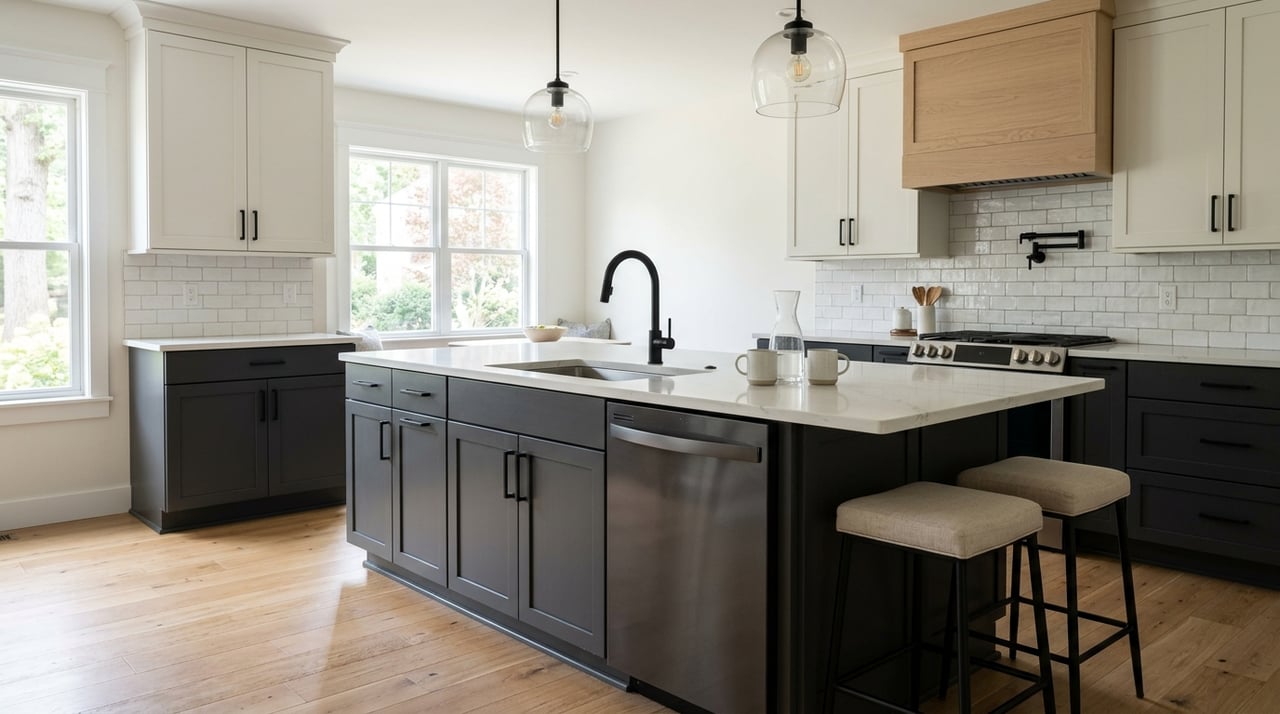
A renovation can make sense when one or two spaces are clearly holding your home back. If your kitchen or bathroom looks much more dated than nearby comparable homes, a modest refresh may help buyers feel better about your asking price. The key is to stay selective.
National resale benchmark data points to a simple pattern. Lower-complexity, visible improvements often perform better than major custom interior projects. That is one reason many sellers see better results from practical updates than from a full gut remodel.
In Durham, this is especially relevant because buyers are still active, but they have options. If your home is near the local market middle, small but noticeable upgrades can help it show better without over-improving the property.
The spaces buyers notice first tend to matter most. Industry data shows that Realtors commonly recommend painting the entire home, painting a single interior room, and installing a new roof before listing.
The same research also shows strong demand growth for kitchen upgrades, new roofing, and bathroom renovations. That does not mean you should automatically do all three. It means these are the areas buyers tend to react to when they compare homes.
If you decide to update, keep the finish choices simple and widely appealing. The more customized the project, the more likely it is to cost more and appeal to fewer buyers.
That is why smaller improvements often make more sense than a dramatic redesign. Clean surfaces, neutral paint, updated lighting, and a polished entry usually help more than highly personal finishes.
For many Durham sellers, a light refresh is the sweet spot. If your home is structurally sound but looks tired, you may not need a major renovation at all.
A refresh usually means handling the basics that improve how the home feels during showings. These projects are often less disruptive, easier to budget for, and more likely to support a smoother sale.
These kinds of changes can improve your home’s presentation without dragging you into a long project timeline. They also help address the issues buyers notice right away when they walk through the front door.
Not every project has the same resale payoff. National 2025 cost-recovery data shows some exterior and entry-focused improvements outperform many interior remodels.
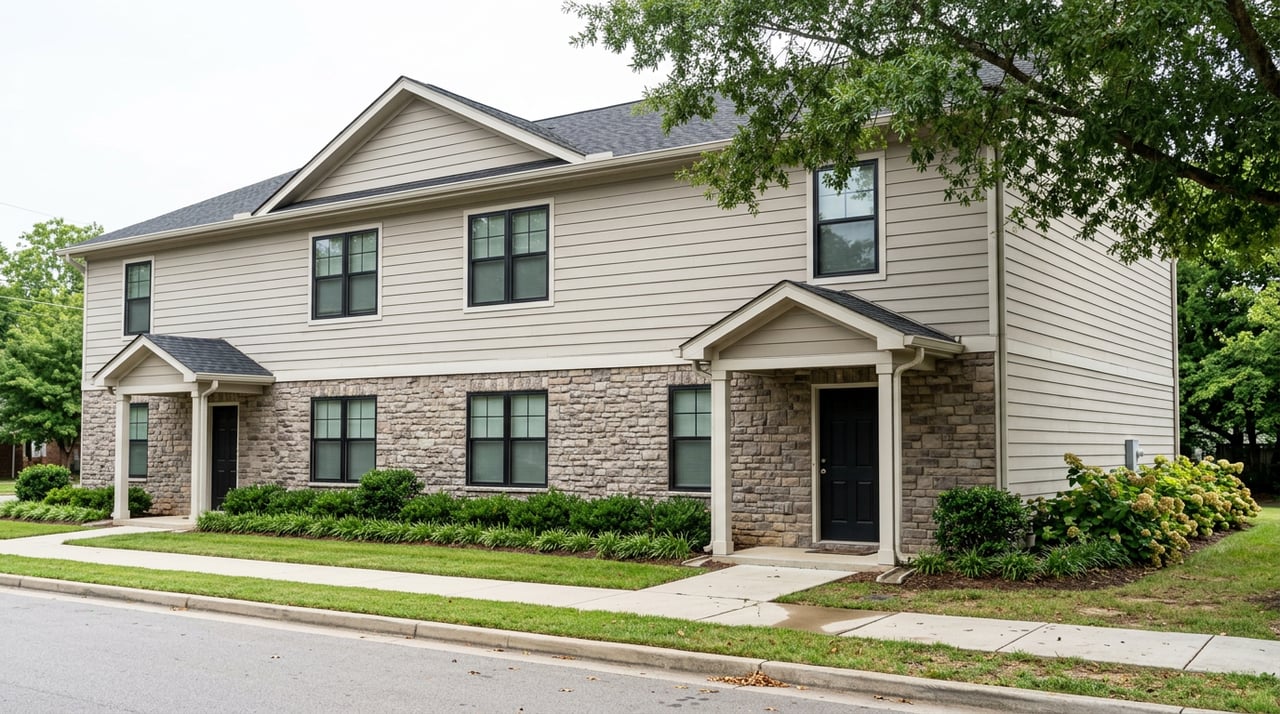
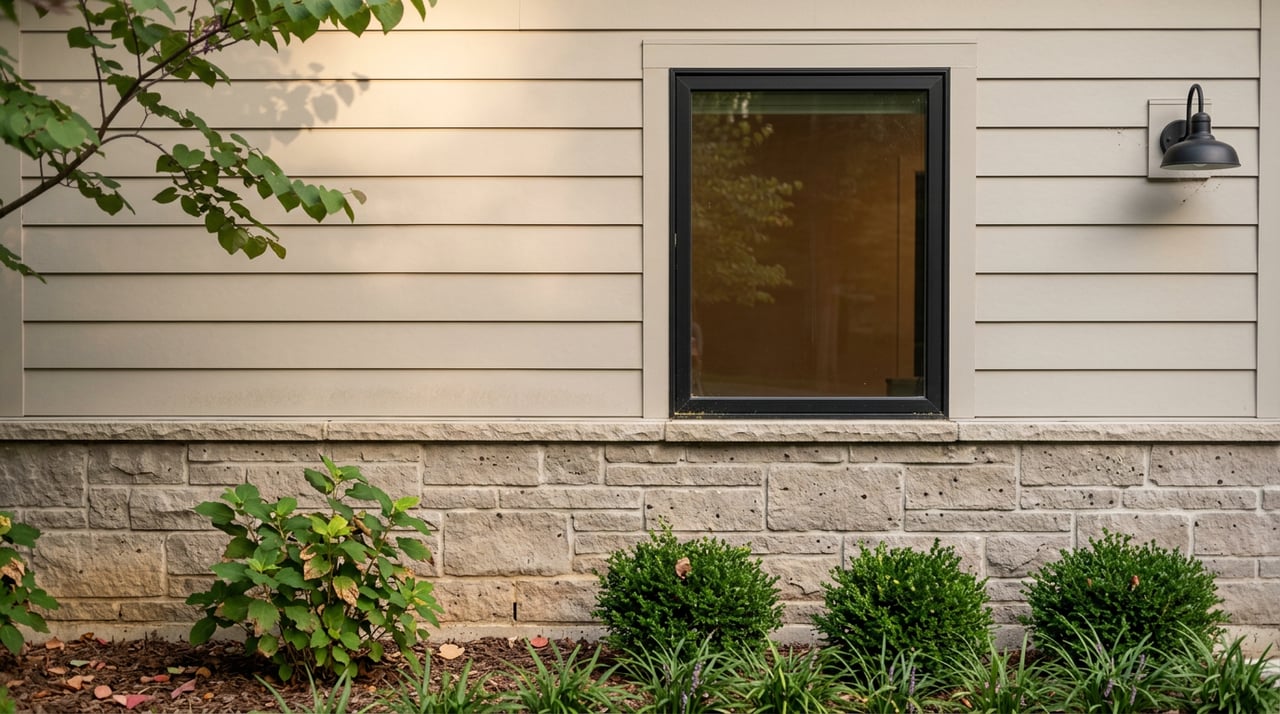
Top resale performers included garage door replacement, steel entry door replacement, manufactured stone veneer, fiber-cement siding, and a midrange minor kitchen remodel. By comparison, a midrange bath remodel, vinyl window replacement, and basement remodel recovered less on average.
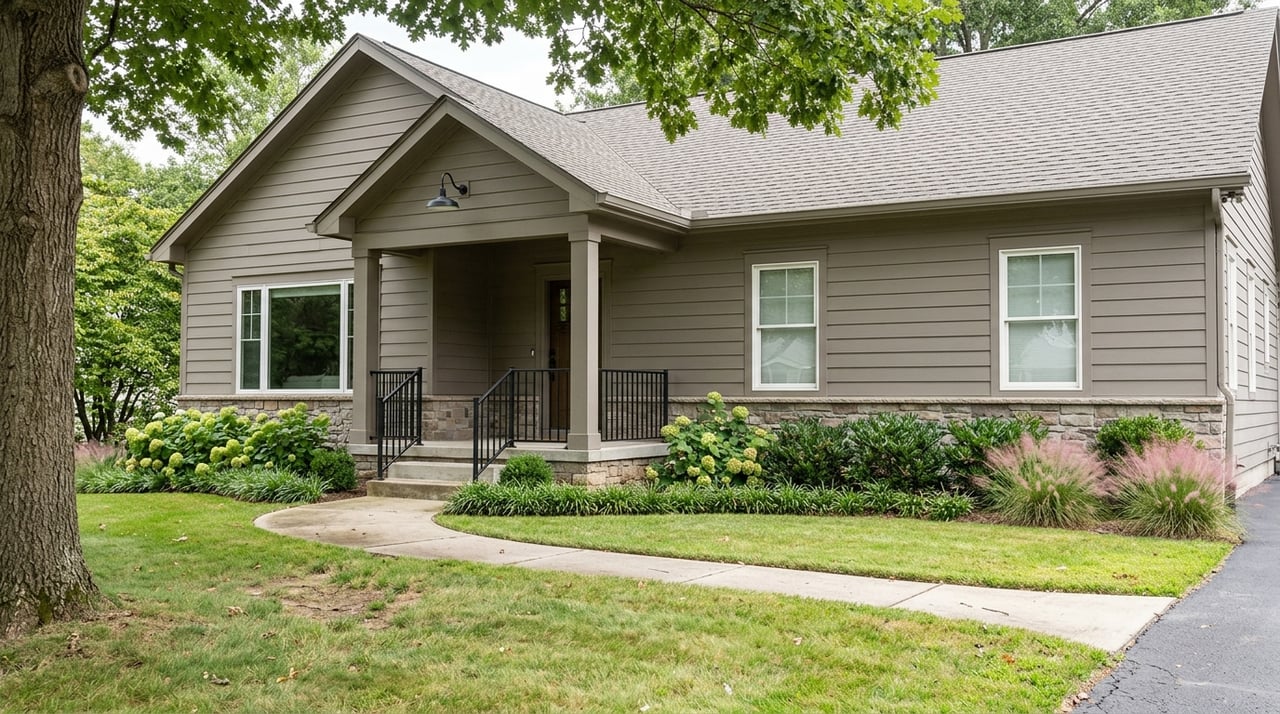
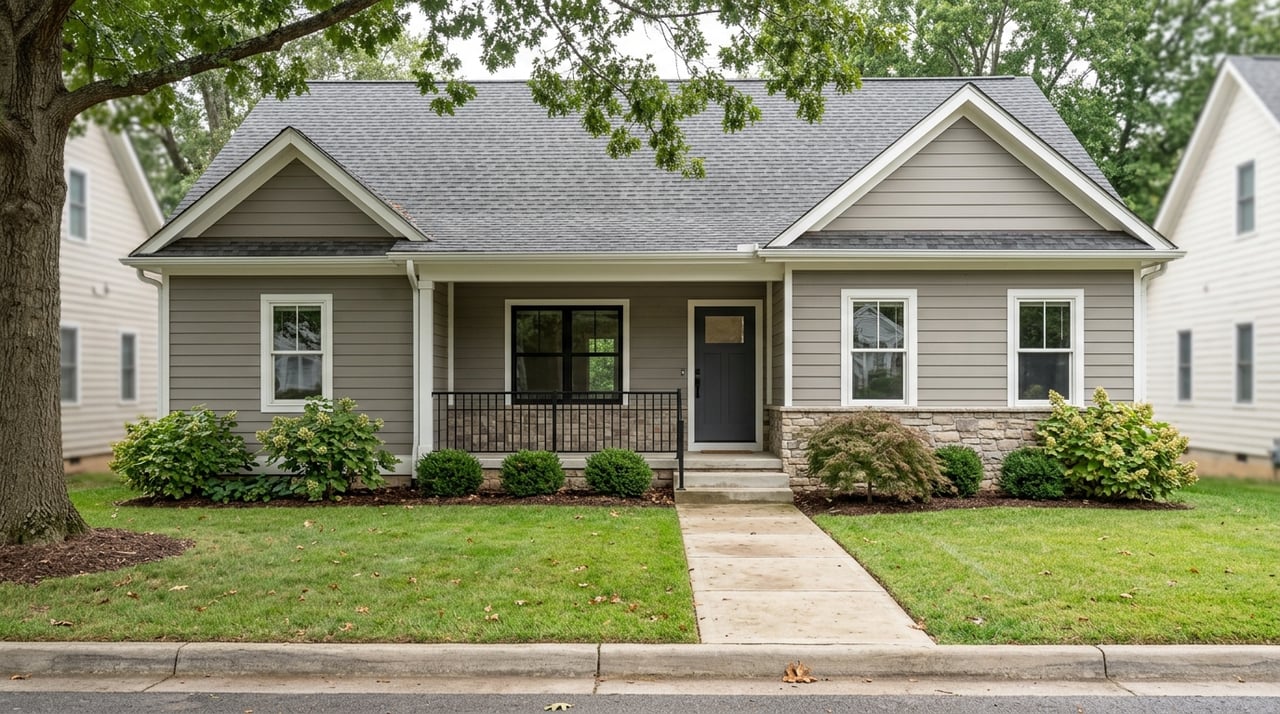
Here is the practical takeaway for your Durham sale: simple, visible, lower-complexity work usually offers better return on effort than a large discretionary remodel. That often points sellers toward curb appeal, entry improvements, paint, and selective kitchen updates instead of expensive top-to-bottom projects.
Sometimes the smartest choice is not renovating at all. If your home has a long repair list, if you want to avoid managing contractors, or if the likely buyer expects to renovate after closing, an as-is strategy may be worth considering.
Selling as-is can reduce stress and shorten your prep timeline. It can also make sense if you would rather price the home according to its current condition than spend money upfront without a clear return.
That said, selling as-is in North Carolina does not remove disclosure requirements for covered sellers. State law still requires a Residential Property Disclosure Statement, and owners may state that they make no representations while still disclosing known conditions involving items such as the roof, structure, plumbing, electrical, heating and cooling systems, infestations, zoning, and certain environmental items.
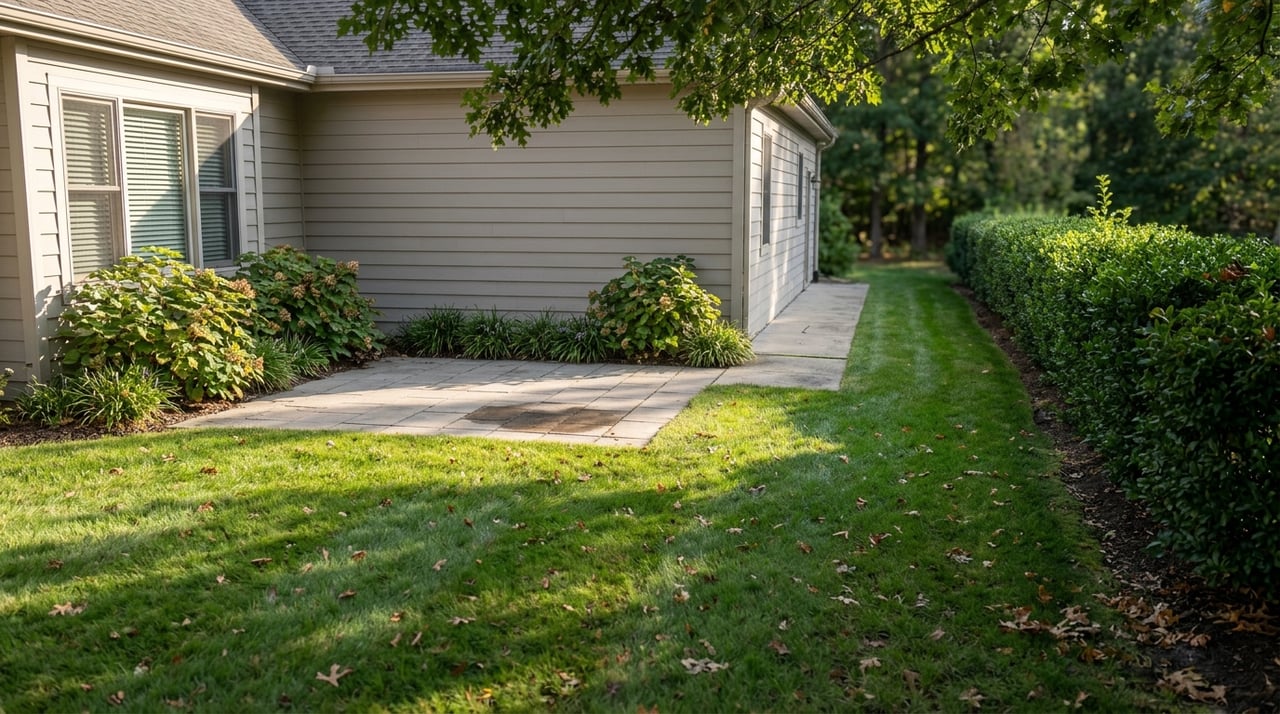
Even if you sell as-is, presentation still matters. Basic cleaning, yard maintenance, and removing clutter can help buyers better understand the opportunity.
You do not need to make the home perfect. You just want buyers to see the property clearly and feel that the condition matches the price.
If you are trying to decide between renovating, refreshing, or selling as-is, it helps to look at your home through three simple lenses: visibility, function, and competition.
Ask yourself what buyers will notice first, what could create concern during inspection or financing, and how your home compares to other listings in a similar price range. That process usually leads to a clearer and more cost-effective plan.
Homes near the local median price often benefit most from cleanliness, condition, and easy-to-understand value. Buyers in this range are active, but they still compare carefully.
Your best move is often to handle visible cosmetic issues and practical repairs. Paint, curb appeal, lighting, and fixes that may come up during inspection are usually the safest places to focus.
At higher price points, buyers are often more sensitive to finish consistency and deferred maintenance. They are more likely to compare your home against better-finished properties.
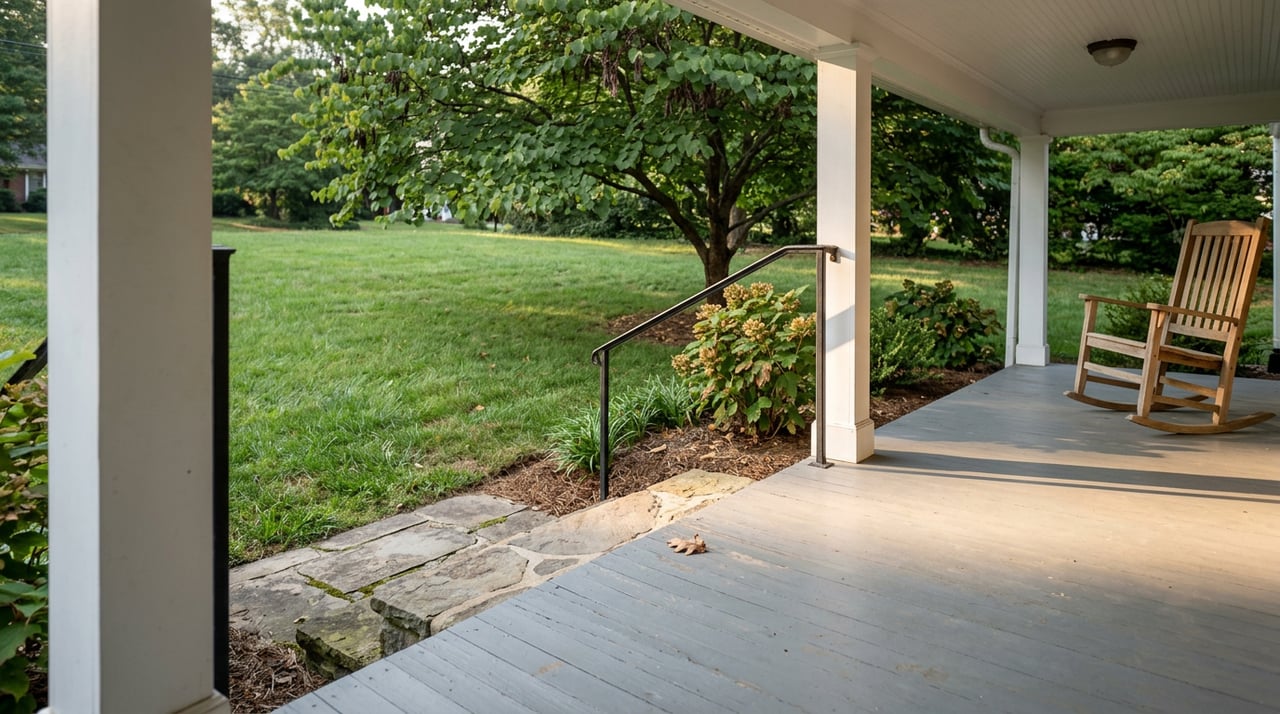
That does not mean you need a luxury remodel. It does mean details matter more. A polished exterior, a strong first impression, and fewer obvious condition issues can become increasingly important.
If the repair list is long, a full renovation may not be the best answer. In many cases, a targeted repair plan or an as-is pricing strategy can make more sense than trying to solve everything before listing.
This is especially true if the cost and complexity of the work would be hard to recover in the final sale price. Large, highly customized projects tend to have weaker resale math than simpler, broadly appealing updates.
The biggest mistake is over-improving for the neighborhood or price point. Spending heavily on a custom renovation can make it harder, not easier, to see a return.
Another common mistake is ignoring small visible issues because the market feels active. Buyers may still move quickly in Durham, but they notice chipped paint, dated fixtures, worn entry points, and signs of deferred maintenance.
A third mistake is choosing projects based on personal preference instead of resale logic. Before you spend, make sure the work helps your home fit its comparable sales set more clearly.
For most Durham homeowners, the strongest strategy is not to renovate everything or do nothing. It is to fix what is visible, functional, or likely to affect inspection and financing, then refresh cosmetic items that have broad appeal.
That balanced approach helps you protect your time, control your budget, and present your home well in a market where buyers are active but selective. If you are unsure where your property falls, a local, property-specific strategy can help you avoid expensive guesswork.
If you are getting ready to sell in Durham and want help deciding whether to renovate, refresh, or list as-is, DECO CAPITAL can help you build a plan that fits your home, your timeline, and your goals.
Stay up to date on the latest real estate trends.
At The Cedeno Group, our agents are all fully bilingual in English and Spanish, ensuring seamless communication for our diverse clientele. With extensive experience in the real estate market, we go beyond traditional approaches, offering out-of-the-box opportunities to help clients achieve their real estate goals. Whether buying, selling, or investing, our team is dedicated to making the process smooth, successful, and tailored to each client's unique needs.
Get In Touch With Our Team To Learn More

The Cedeno Group Real Estate
5826 Fayetteville Rd, Suite 206 Durham, NC 27713