New Construction vs Resale in Durham: What to Know
June 25, 2026
June 25, 2026
Are you torn between a brand-new home and an older one with character in Durham? You are not alone. Buyers across Durham are weighing customization, move-in timing, repair costs, and neighborhood feel in a market that offers both active new development and a wide range of resale options. This guide will help you compare new construction and resale homes in Durham so you can make a smart choice with more confidence. Let’s dive in.
If you are comparing new construction vs resale homes in Durham, start with the local numbers. In May 2026, Durham had about 2,300 homes for sale, a median listing price of $425,000, a median sold price of $415,000, and a median 40 days on market.
At the county level, the market looked more balanced, with a 3.9-month supply of new and existing homes. That balance can create more options than buyers may expect, but inventory is not spread evenly across Durham.
Some parts of Durham have a deeper pool of listings, especially Northeast Durham and ZIP code 27703. Downtown Durham tends to have fewer listings and a higher median listing price, which can shape whether a new build or resale home feels more realistic for your budget.
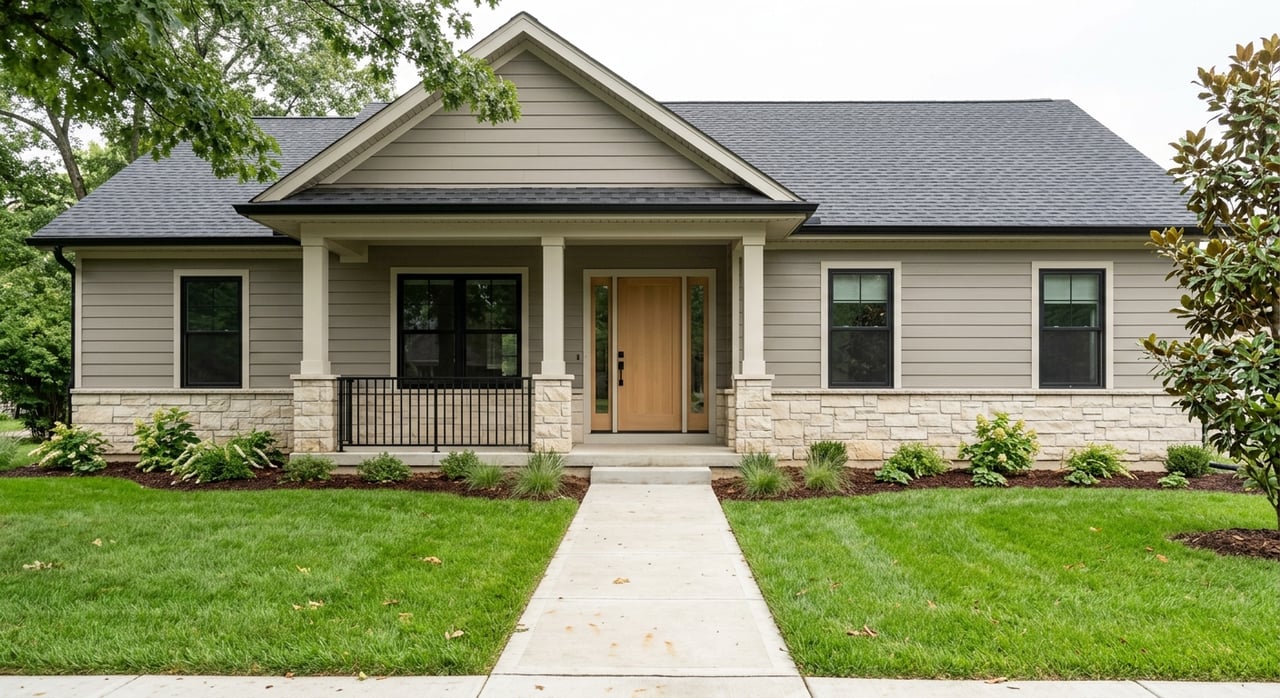
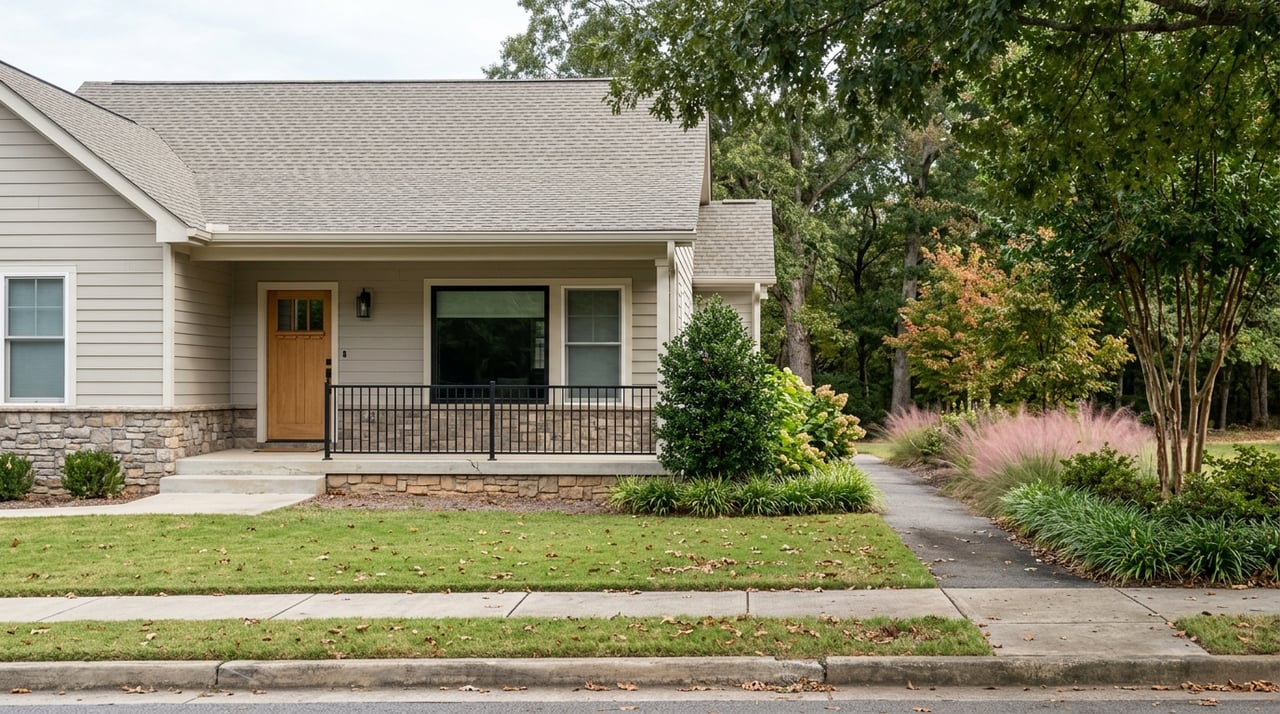
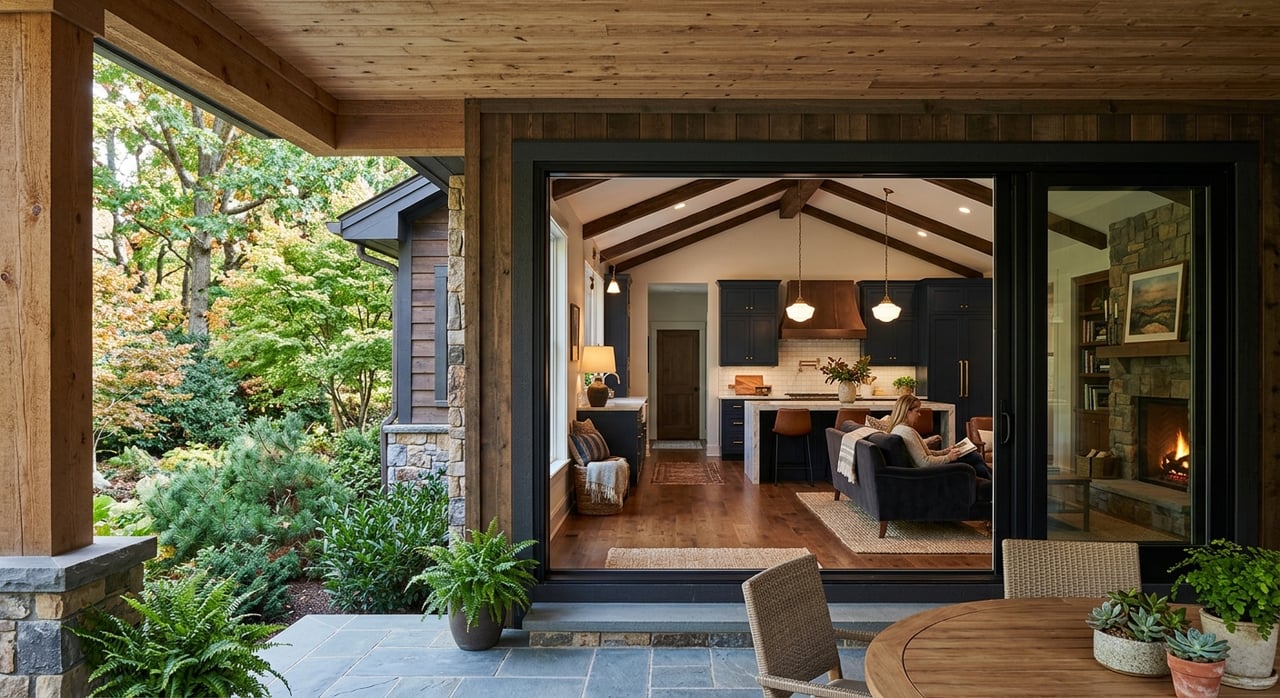
New construction often appeals to buyers who want a more modern layout, fewer immediate repairs, and some ability to personalize the home. In Durham, new builds are a meaningful part of the market, with Zillow showing roughly 628 new-construction results.
That said, new construction is still only one slice of total inventory. You may find that your choices depend heavily on where in Durham you want to live and how flexible you are on timing.
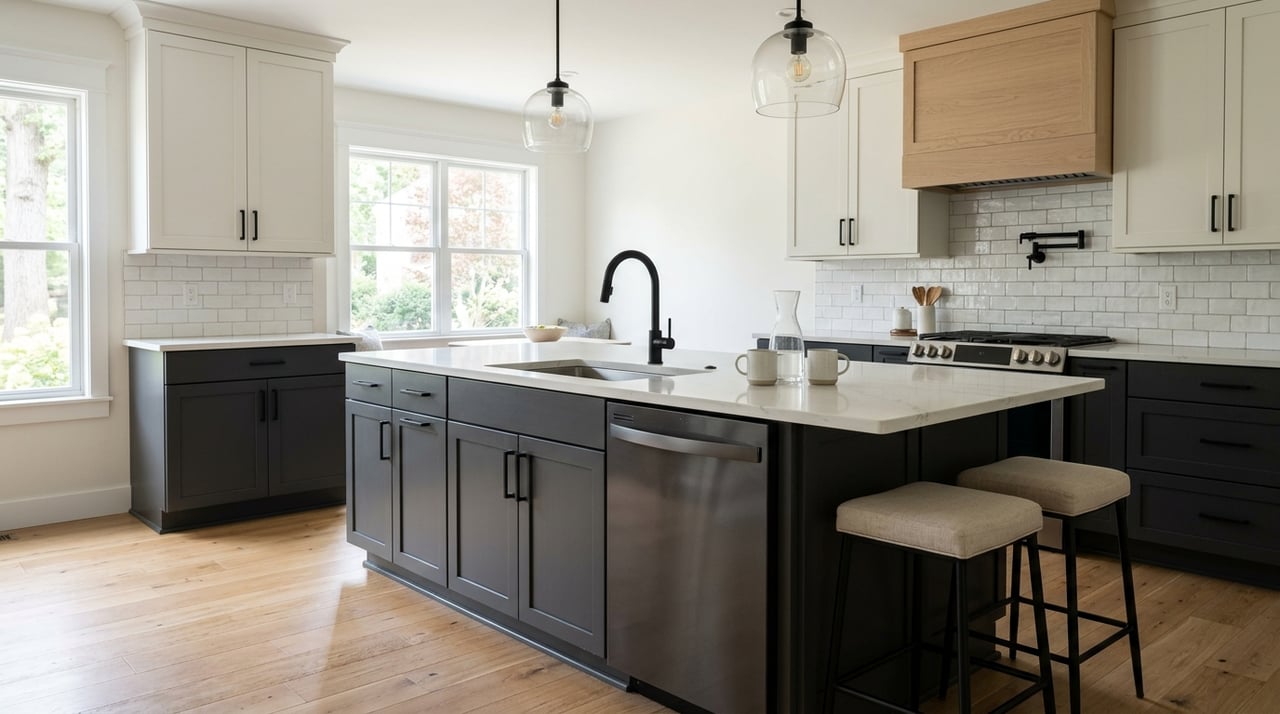
One of the biggest draws of a new home is the chance to choose finishes and features. Many builders offer some level of customization, which can help you get closer to your ideal home from day one.
Still, it is important to understand that builder customization is often limited. You may be choosing from preset packages rather than designing every detail yourself, and upgrades can raise the final price well above the base price.
A new home can reduce the chance of facing immediate repair costs for major systems. That can be especially attractive if you want more predictability in your first months of ownership.
Even so, new does not mean risk-free. You should still ask detailed questions about workmanship, materials, and what the builder will fix after closing.
If you are building from the ground up, timing matters. Realtor.com notes that a build-from-scratch home averages about 6.5 months, though actual timing can vary widely by builder and floor plan.
That means new construction may be a better fit if you have flexibility on your move date. If you need to move quickly, a resale home may offer a simpler path.
Durham is not growing randomly. The city uses its Comprehensive Plan and small-area plans to guide where and how development happens, along with where public investment and infrastructure improvements may be needed.
That matters to you as a buyer because future development can affect traffic patterns, nearby construction activity, and how an area changes over time. Current planning efforts include places such as Lakewood/West End/Lyon Park, Walltown, Bragtown/Oxford-Hamlin, and Hillside/Oak Ridge.
Southside is also identified as a 125-acre redevelopment area near downtown. In addition, Durham’s planning materials note that future growth areas are often near the city’s edges or in places that need infrastructure upgrades.
Durham requires plot plans for new residential construction. The city’s March 2026 new-residential report showed active permits for townhouses, duplexes, and single-family homes from builders including Pulte, Ryan Homes/NVR, Lennar, Mungo, and Meritage.
For you, that means the new-construction experience is shaped not just by the builder’s sales team, but also by local permitting and review processes. Delays can happen, so it helps to ask what could affect the closing timeline.
North Carolina recognizes an implied warranty of workmanlike construction for recently completed or under-construction dwellings sold by a builder-vendor to the initial purchaser. That gives buyers an important layer of protection, but it does not replace the need to read the builder’s express warranty carefully.
Ask what is covered, how long coverage lasts, and what exclusions apply. You should also ask whether third-party inspections are allowed before drywall and again at the final walk-through.
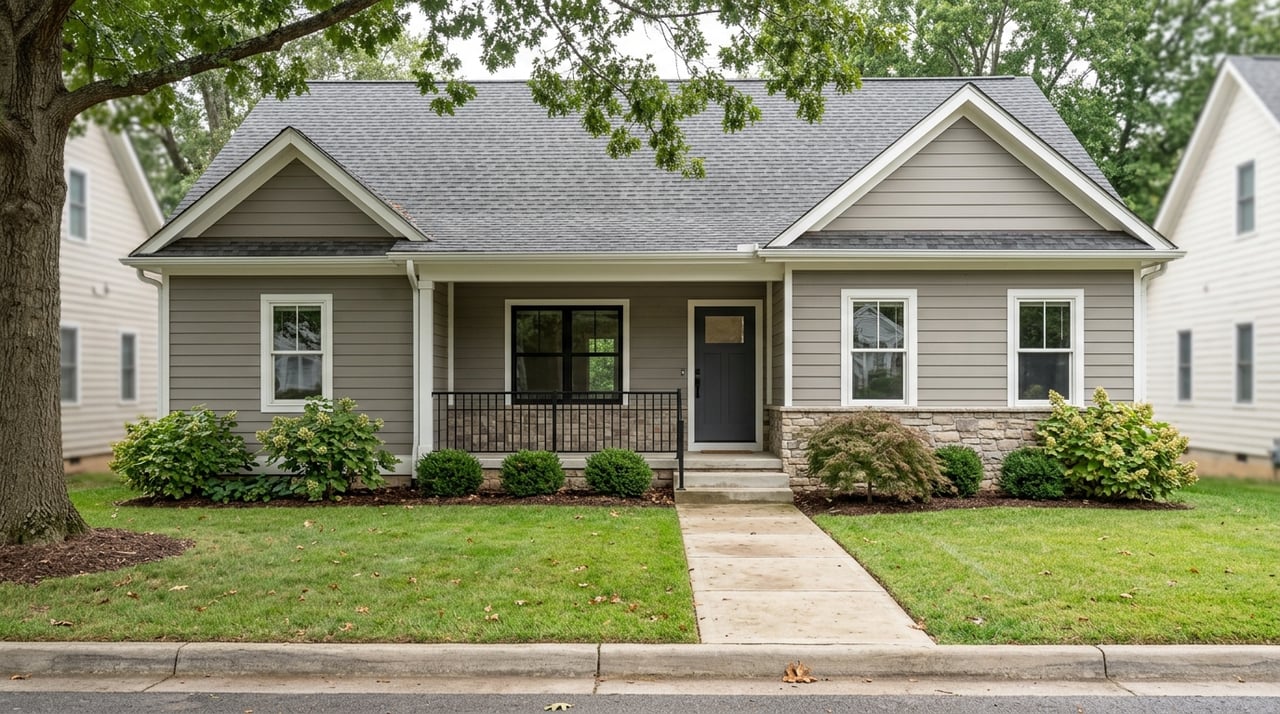
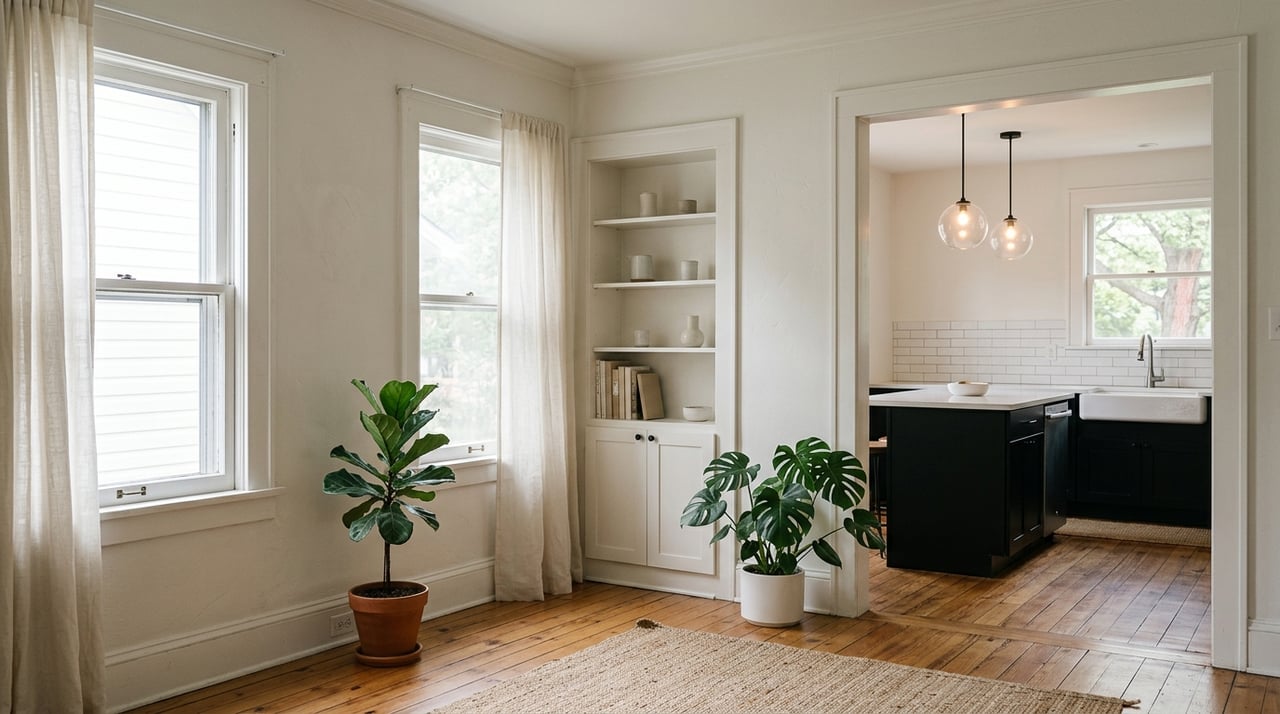
Resale homes often attract buyers who want established surroundings, mature landscaping, and a wider range of architectural styles. In Durham, that can be a major advantage if you value homes with more character or want to live in a more established part of the city.
Resale can also be the better fit if speed matters. In many cases, you can move much faster with an existing home than with a property that still needs to be built.
A resale home may place you in an area with a longer development history and a more settled feel. Depending on the property, that can mean mature trees, a more traditional street layout, or older design details you may not find in many new communities.
But established homes can also come with aging systems or past repairs. That is why due diligence matters so much when you buy resale in Durham.
Durham has eight local historic districts, including Downtown Durham, Morehead Hill, Trinity Heights, and Watts-Hillandale. If a home is in a local historic district, exterior changes require a certificate of appropriateness.
That can help preserve the area’s architectural character, but it can also limit how quickly you can change the outside of the home or add visible improvements. If you are considering a resale home, make sure you know whether these rules apply before you plan renovations.
North Carolina requires most sellers of residential one- to four-unit homes to provide the Residential Property and Owners’ Association Disclosure Statement before an offer is made. Brokers must also disclose material facts.
For you, that makes the inspection period especially important. You want a clear picture of the home’s condition, prior repairs, and any rules that may affect ownership.
When you are evaluating a resale home in Durham, pay close attention to:
These details can affect both your upfront costs and your long-term maintenance budget. A home that seems less expensive at first can become more costly if major systems are near the end of their life.
| Factor | New Construction | Resale Home |
|---|---|---|
| Move-in timing | Often longer, especially if not completed | Often faster |
| Customization | Some options, but usually limited | Usually buy as-is, then update later |
| Immediate repairs | Often fewer at first | May be higher depending on age |
| Price clarity | Base price may rise with upgrades | Price may reflect condition and location |
| Neighborhood feel | Often in developing areas | Often in established areas |
| Rules to check | Builder warranty, HOA, future phases | Disclosures, permits, historic district rules |
Whether you buy new or resale, the right questions can protect your budget and help you avoid surprises.
In Durham, the decision usually comes down to three main priorities: budget, customization, and speed. If you want a more personalized home and can wait through the construction timeline, new construction may be the better fit.
If you want to move sooner, prefer established surroundings, or like the character of older homes, resale may make more sense. Neither option is automatically better. The right choice depends on how you want to live, what costs you can manage, and how flexible your timeline is.
A local Durham team can help you compare the true cost of both paths, including upgrades, repair needs, permitting questions, and the impact of nearby future development. If you want clear guidance in English or Spanish as you weigh your options in Durham, DECO CAPITAL is here to help you move forward with confidence.
Stay up to date on the latest real estate trends.
At The Cedeno Group, our agents are all fully bilingual in English and Spanish, ensuring seamless communication for our diverse clientele. With extensive experience in the real estate market, we go beyond traditional approaches, offering out-of-the-box opportunities to help clients achieve their real estate goals. Whether buying, selling, or investing, our team is dedicated to making the process smooth, successful, and tailored to each client's unique needs.
Get In Touch With Our Team To Learn More

The Cedeno Group Real Estate
5826 Fayetteville Rd, Suite 206 Durham, NC 27713