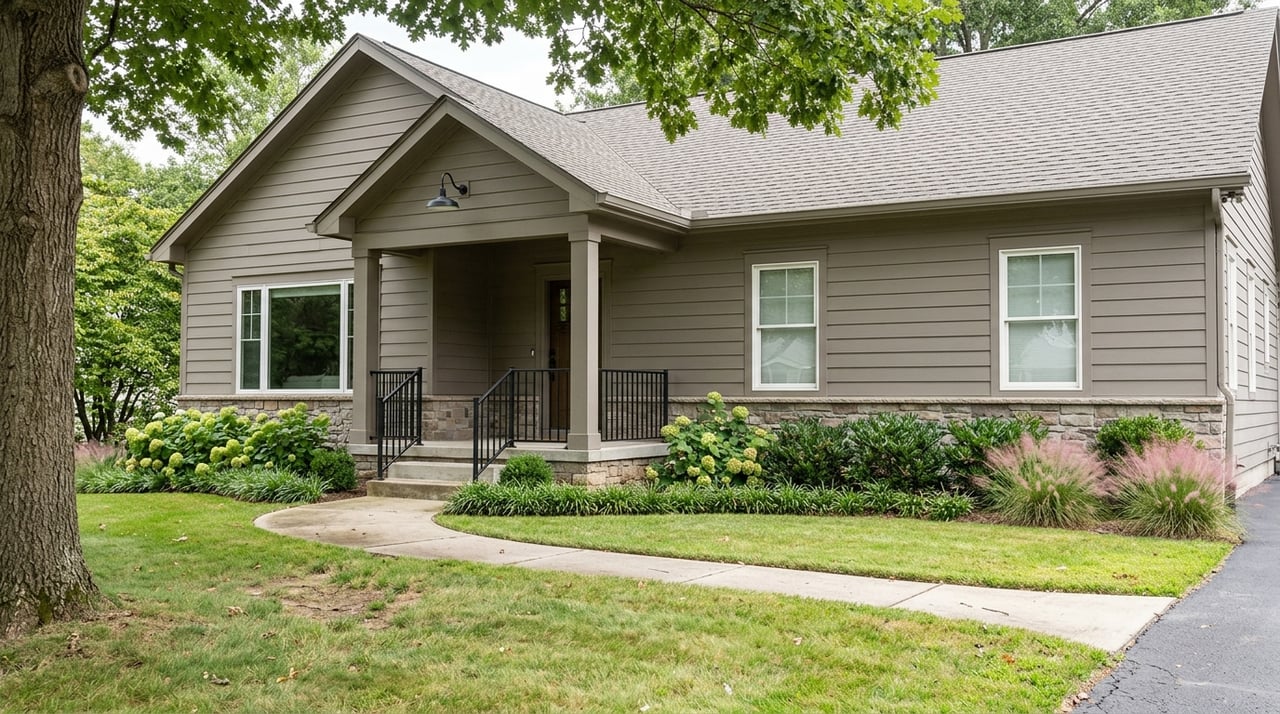
How to Make a Strong Offer on a Durham Home
July 23, 2026
July 23, 2026
Need to beat other buyers on a Durham home without making a reckless offer? That is the challenge many buyers face right now. Durham is still competitive, but it is not the same market it was at the peak of the frenzy, which means smart structure matters just as much as price. In this guide, you will learn how to write a strong offer in Durham, what terms sellers often care about most, and how North Carolina’s contract rules shape your strategy. Let’s dive in.
If you are writing an offer in Durham, you need to start with the market you are actually in, not the market you remember from a few years ago. June 2026 local MLS data show Durham City with a median sales price of $425,000, 18 median days on market, 98.7% of list price received, 1,234 active listings, and 2.7 months of supply.
That is still a seller-leaning market. At the same time, it is more measured than the peak bidding-war years, so your best move is usually not to throw every protection away. A strong offer today is usually a well-prepared offer with the right mix of price, timing, deposits, and clean terms.
One of the biggest mistakes buyers make is assuming all of Durham behaves the same way. It does not. Micro-markets can vary a lot by price point, pace, and how much competition a home is likely to see.
For example, research in Durham shows Duke Park at a median sale price of $540,000 and 22 days on market, while Northeast Durham is around $301,000 and 41 days on market with about one offer on average. Trinity Park shows a median sale price of $525,000 and 68 days on market, while Downtown Durham is much higher in price at about $1.16 million and is labeled not very competitive.
That means your offer strategy should match the specific home and neighborhood. A cleaner, faster offer may matter more in a faster-moving pocket, while a different area may give you more room to negotiate timing or repairs.
If you are moving to Durham from another state, North Carolina contract terms can feel different right away. The standard North Carolina offer separates the due diligence fee from earnest money, and that distinction matters a lot when you are trying to make your offer stand out.
The due diligence fee is a negotiated amount paid to the seller for your right to terminate during the due diligence period. It is generally nonrefundable unless the seller materially breaches the contract or another contract exception applies. Earnest money is different because it is held in escrow and is generally returned if you terminate before the due diligence period ends.
The standard contract also does not include a loan contingency or appraisal contingency. In practical terms, that means your financing, appraisal, inspections, title work, and repair discussions need to happen inside the due diligence window.
In Durham, sellers often look at more than the purchase price. They want confidence that you are serious, organized, and likely to close on time. A strong offer often signals all three.
Here are the terms that usually carry the most weight:
In many cases, sellers respond to certainty and speed almost as much as they respond to headline price.
Due diligence is one of the most important parts of a North Carolina offer. It is your chance to investigate the property and the transaction, including inspections, appraisal, title search, loan qualification, and any repair negotiations.
Because that right expires when the due diligence period ends, the timeline you choose matters. If your period is too short, you may not have enough time to complete inspections and financing steps. If it is too long in a competitive situation, your offer may look less attractive than another buyer’s offer.
Broker commentary in the Triangle often describes due diligence periods of about 5 to 14 days for move-in-ready resale homes and 14 to 30 days for more complex situations. The right number depends on the home, your lender’s speed, and how much investigation the property needs.
These two terms get mixed up all the time, but sellers and buyers should think about them separately. The due diligence fee is paid directly to the seller and is usually the money most at risk early in the contract. Earnest money is a separate deposit held in escrow and credited at closing.
Durham Regional Association of REALTORS® notes that earnest money is traditionally about 1% to 2% of the sales price. Market commentary around due diligence fees often puts many middle-of-the-market offers somewhere in the low thousands, though the amount can vary widely by price point and competition.
The key point is simple: in Durham, a stronger offer is often not just a higher offer. It is an offer where the due diligence fee, earnest money, and timeline all support the story that you are ready to perform.
When buyers feel pressure, they often focus only on price. But in Durham, two offers with the same price can feel very different to a seller. One may look smooth and dependable, while the other may look risky or slow.
For example, a seller may prefer an offer with a slightly lower price if it includes a stronger due diligence fee, fewer repair asks, and a closing date that fits their move. That is why offer strategy should be built around the seller’s likely priorities, not just your starting number.
In North Carolina, deadlines matter. Once due diligence expires, your easy exit path largely disappears, so you need a timeline you can actually manage.
That starts before you even submit the offer. NCREC advises that due diligence and earnest money checks should be ready because a seller may accept the same day. If your lender documents, funds, and practical next steps are not lined up, you can lose momentum fast.
Closings in North Carolina are typically handled by attorneys, and a typical transaction often runs about 30 to 60 days. If you can offer a closing timeline that works for the seller without putting yourself in a bind, that can help your offer stand out.
Repairs are negotiable, but the seller is not required to agree to your repair request. If they do not agree, you generally choose whether to proceed or terminate before the due diligence period ends.
That is why clean offers often avoid long lists of small repair demands up front. In a competitive Durham situation, buyers are often better served by focusing on material issues that come up during inspections rather than signaling a high-maintenance negotiation from the start.
Price and deposits matter, but personal terms can matter too. The North Carolina contract defaults to possession at closing, yet it also allows for other possession arrangements through addenda.
In the right situation, flexibility around closing date or short post-closing possession can help solve a seller’s problem. If a seller needs a little more time to move, that convenience may strengthen your offer without changing the price much at all.
The best offer is not always the highest number. Here is how three offers on the same Durham home might feel to a seller.
This version offers a fair price, a meaningful due diligence fee, solid earnest money, and a shorter but realistic due diligence period. The buyer is prepped, funds are ready, and repair requests will be limited to material concerns.
For many sellers, this is appealing because it offers speed and confidence. In a faster-moving area like parts of Duke Park, this kind of structure may be especially competitive.
This version may offer a similar price with a moderate due diligence fee, but it gives the seller a closing timeline that better fits their next move. It may also include possession flexibility if the seller needs it.
This can work well when seller timing is a major factor. Sometimes convenience is the difference between winning and losing.
This version may have a decent price but a lower due diligence fee, longer due diligence period, and broad repair expectations. Even if the headline number looks fine, the seller may read this as a riskier deal.
In a slower pocket of Durham, that buyer might still have a chance. In a more competitive pocket, this version often falls behind cleaner offers.
Before you write, look at four things together:
Then build an offer that fits both the home and your situation. You want to be competitive, but you also want to stay realistic about what you can inspect, finance, and close on within the due diligence timeline.
Because North Carolina contracts rely so heavily on due diligence timing, local strategy matters. The right offer on a Downtown Durham condo may look very different from the right offer on a renovated bungalow in Duke Park or a home in Northeast Durham.
A local team can help you read the micro-market, structure terms that make sense, and avoid avoidable mistakes with timing and deposits. That matters even more if you are a first-time buyer, relocating from another state, or exploring creative paths to ownership.
If you are getting ready to buy in Durham, the goal is not to be reckless. It is to be prepared, strategic, and clear about where you can be strong without overextending yourself. When your offer matches the home, the neighborhood, and North Carolina’s contract structure, you give yourself a much better chance to win with confidence.
Ready to put together a smart offer on a Durham home? Connect with DECO CAPITAL for local guidance, bilingual support, and a strategy built around your goals.
Stay up to date on the latest real estate trends.
At The Cedeno Group, our agents are all fully bilingual in English and Spanish, ensuring seamless communication for our diverse clientele. With extensive experience in the real estate market, we go beyond traditional approaches, offering out-of-the-box opportunities to help clients achieve their real estate goals. Whether buying, selling, or investing, our team is dedicated to making the process smooth, successful, and tailored to each client's unique needs.
Get In Touch With Our Team To Learn More

The Cedeno Group Real Estate
5826 Fayetteville Rd, Suite 206 Durham, NC 27713